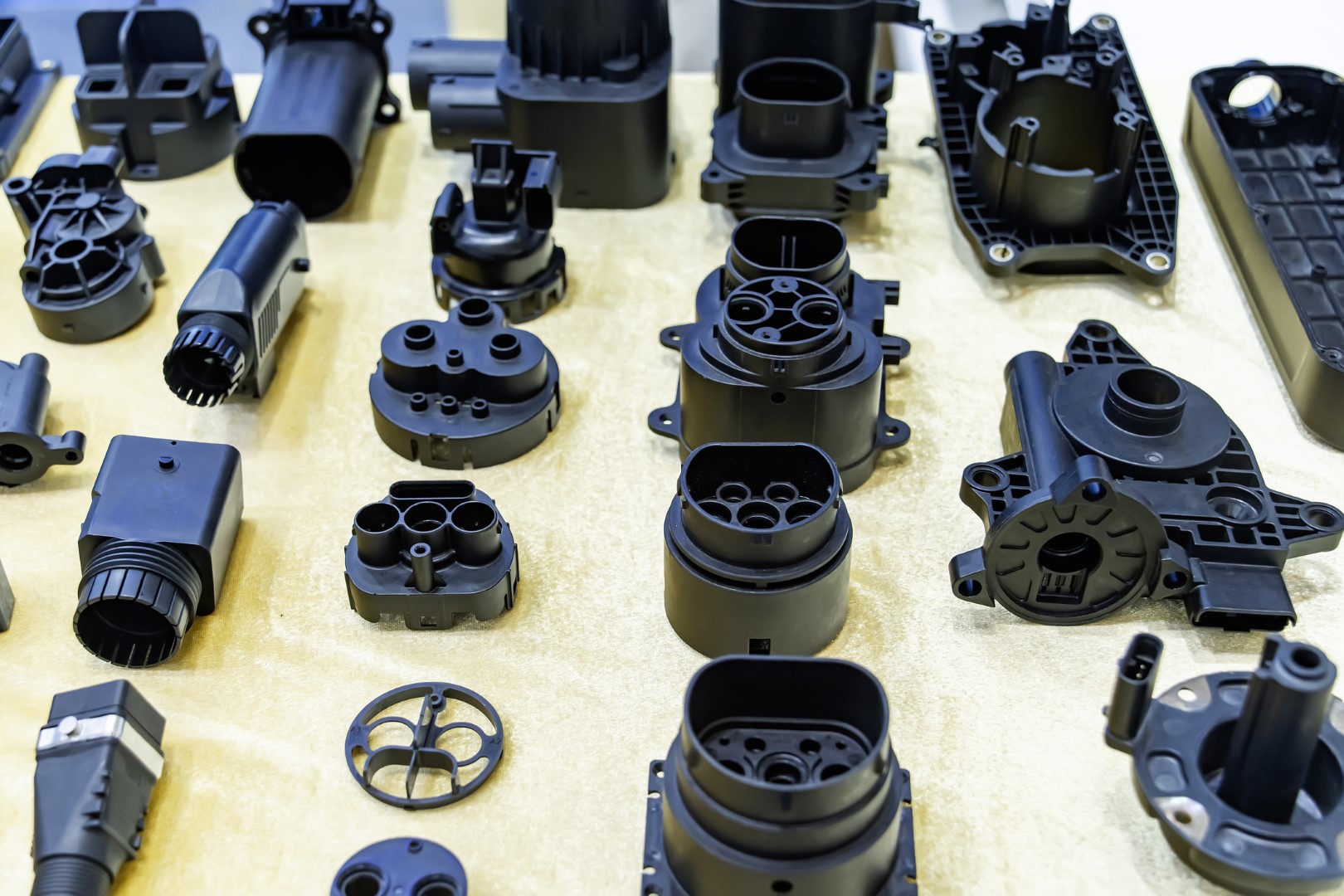
This manufacturing process dominates plastic production globally. Heat and pressure melt solid thermoplastic resin. Injection into precision molds follows. Cooling solidifies the finished part. The process proves extraordinarily versatile. Simple commodity items get produced. Complex precision components emerge. The widest material range gets supported. Thermoplastic injection molding material selection defines resin behavior. These materials melt and re-solidify repeatedly. Chemical degradation doesn’t occur. Reprocessing and recycling become possible. Production scrap gets reworked easily.
Understanding this process deeply matters significantly. Material properties relate directly to processing behavior. Part design and tooling interact with material flow. Process parameters affect part quality measurably. Engineers and procurement professionals benefit from knowledge. Better decisions follow throughout development. Sourcing processes improve considerably. This article covers process fundamentals thoroughly. Material selection receives detailed attention. Process variables get explained clearly. Quality factors that drive success become apparent. Explore Hi-Rel’s comprehensive molding capabilities to see precision manufacturing expertise.
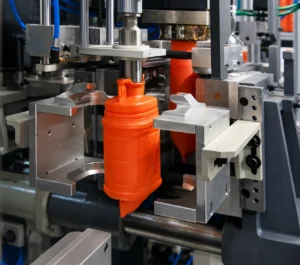
The barrel of the injection machine starts the cycle. Raw resin pellets feed from a hopper. A rotating screw conveys material forward. Shear and heat melt the resin. Heater bands surrounding the barrel add warmth. A homogeneous, viscous melt forms. The screw accumulates sufficient shot volume. It then acts as a plunger. High pressure pushes melt forward. The nozzle, sprue, and runner system direct flow. Mold cavities receive the material.
Inside the mold, the thermoplastic melt fills completely. Continued pressure packs the material. Water-cooled channels maintain lower mold temperatures. Heat extraction solidifies the plastic. Wall thickness determines cooling time. Resin thermal properties influence duration. Mold temperature affects the schedule. Once rigid and dimensionally stable, the mold opens. The part ejects cleanly. The entire cycle takes seconds to minutes. Part size and wall thickness determine timing. The mold closes and repeats.
The material spectrum spans commodity to specialty resins. Commodity thermoplastics dominate consumption by volume. Polyethylene, polypropylene, polystyrene, and PVC lead markets. High-volume, cost-sensitive applications use them. Mechanical properties meet requirements. Material cost drives total part cost.
Engineering thermoplastics provide superior performance. Nylon, polycarbonate, ABS, acetal, and polyester deliver results. Mechanical properties improve significantly. Heat resistance increases measurably. Dimensional stability enhances performance. Higher material costs apply. Applications requiring greater strength benefit. Stiffness needs get met. Temperature performance exceeds commodity capabilities.
High-performance thermoplastics represent the specialty tier. PEEK, PPS, PEI, and similar resins perform exceptionally. Demanding environments get served. Material costs restrict use. Applications requiring extreme properties justify investment. ISO 9001 quality standards guide production protocols.
Many applications use filled or reinforced grades. Unfilled base resins don’t suffice. Glass fiber reinforcement proves most common. Tensile strength increases significantly. Flexural modulus improves substantially. Dimensional stability enhances performance. Glass-filled grades work across engineering families. Structural applications demand them. Load-bearing brackets require them. Tight dimensional tolerances need them. Fiber content ranges from ten to fifty percent. Higher fiber content increases stiffness. Elongation decreases with reinforcement.
Mineral fillers improve performance differently. Talc, calcium carbonate, and mica work well. Dimensional stability improves noticeably. Warpage reduces substantially. Surface appearance enhances. Lower costs apply versus glass fiber. Carbon fiber provides highest specific stiffness. Specific strength ranks highest. Material costs run significantly higher. Impact modifiers enhance toughness. Flame retardants ensure safety. UV stabilizers protect against degradation. Lubricants improve flow. Colorants customize appearance. Understanding additive effects on processing proves important. Finished part properties matter. Processing behavior impacts molding.
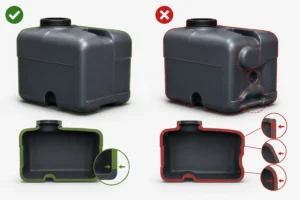
Effective part design incorporates manufacturing from inception. Wall thickness uniformity prevents problems. Uniform walls cool at identical rates. Warpage reduces dramatically. Sink marks disappear. Wall thickness variation requires gradual transitions. Nominal thermoplastic injection molding material selection components range one to four millimeters. Thinner walls work for smaller parts. Low-viscosity resins enable thinness. Structural applications use thicker sections. Stiffness and impact resistance require material.
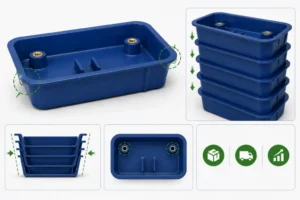
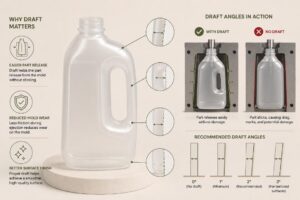
Draft angles facilitate clean ejection. Vertical walls need slight tapers. Standard draft ranges one to three degrees. Textured surfaces need additional draft. Galling during ejection gets prevented. Ribs reinforce parts efficiently. Thin-walled features improve stiffness. Weight and cost decrease. Appropriate thickness and corner radii prevent sink marks. Bosses accept screws or inserts. Wall thickness, corner radii, and draft matter. Clean molding results. Reliable function follows. Contact Hi-Rel for design optimization guidance.
The injection mold determines part geometry primarily. It functions as a critical process element. Cycle time gets affected. Part quality depends on design. Production consistency emerges from tooling. Mold design encompasses multiple elements. Cavity geometry shapes the part. Gate design controls material entry. Runner system design distributes flow. Cooling circuit layout manages temperatures. Ejection system design removes parts. Venting prevents trapped air. Each element interacts with material. Machine parameters influence outcomes. Well-designed molds enable consistent production. Poorly designed molds require constant adjustment. Scrap rates rise unnecessarily.
Gate design affects multiple factors. Location determines material flow pattern. Gate type influences weld line position. Gate vestige appearance matters. Removal ease affects automation. Edge gates, pin gates, submarine gates, and hot-tip gates vary. Each has advantages. Material flow should fill cavities progressively. Weld lines avoid structurally critical areas. Automatic severance or easy trimming happens. Hot runner systems eliminate cold runner sprues. Material waste decreases. High-volume cycle efficiency improves.
Process parameters interact with thermoplastic injection molding material selection significantly. Melt temperature affects material viscosity. Injection speed influences fill behavior. Injection pressure determines flow force. Pack pressure and pack time add material after initial fill. Cooling time readies parts for ejection. Mold temperature manages solidification. These variables interact dynamically. Melt temperature too low produces short shots. Poor surface finish results. Weld lines weaken. Excessive melt temperature causes degradation. Discoloration occurs. Excessive flash forms. Injection speed affects cavity fill rate. Surface appearance improves with optimization. Gate blush decreases. Flow marks disappear. Pack pressure and pack time manage final density. Part weight stabilizes. Dimensional stability improves. Sink marks reduce. Cooling time readiness prevents distortion. Ejection damage doesn’t occur. Cycle time remains optimal.
Quality systems range from informal to highly documented. Non-critical commercial applications need simple protocols. Regulated-industry customers require ISO 9001, ISO 13485, or AS9100 certification. Effective quality control involves multiple steps. Incoming material inspection starts. In-process monitoring of key parameters continues. Dimensional inspection of finished parts follows. Documentation of production and inspection records occurs. Statistical process control monitors critical dimensions. Process drift detection prevents non-conforming parts.
First article inspection reports get submitted for industrial customers. Automotive suppliers provide them. Aerospace suppliers require them. Medical customers demand them. The report documents all drawing-specified dimensions. Actual measurement values get recorded. Pass/fail determinations document conformance. Coordinate measuring machines provide precision measurement. Optical comparators check accuracy. Profile projectors verify shapes. Functional gauges test specific features. Appropriate measurement equipment proves essential. Documented inspection procedures provide quality evidence. Regulated and technically demanding customers require this rigor.
Hi-Rel Plastics & Molding focuses on thermoplastic injection molding expertise. Core manufacturing capability drives everything. In-house tooling supports production. Secondary operations complete solutions. Quality systems serve diverse markets. Medical applications receive support. Aerospace customers get expertise. Automotive suppliers find partners. Industrial clients gain advantage. Commercial markets benefit equally. Broad commodity and engineering thermoplastic experience exists. Material selection gets guided expertly. Part design receives technical input. Process optimization happens collaboratively. Development stages benefit from knowledge. Hi-Rel’s quality infrastructure supports all customer types. Documented procedures ensure consistency. Inspection equipment provides evidence. Traceability systems track materials. Regulated and non-regulated customers receive equal attention.
Hi-Rel’s approach emphasizes technical collaboration. Customer development stages receive focus. Rigorous production control applies. Proactive quality communication happens. Delivery reliability matters. Customers receive service continuity. Manufacturing knowledge carries throughout product lifecycle. Prototyping through high-volume production gets supported. Relationship strength builds over time.
This manufacturing process proves remarkably capable. Cost-effectiveness attracts many manufacturers. Consistent, high-quality results require expertise. Material selection matters tremendously. Tooling design proves critical. Process control determines outcomes. Quality systems ensure performance. Simple commodity parts work well. Complex precision components for regulated applications succeed. Genuine thermoplastic injection molding material selection expertise ensures success. The right supplier makes all the difference. Production success becomes reliable.
Hi-Rel Plastics & Molding welcomes all inquiries. Engineers and procurement professionals should connect. Product development stages benefit from early engagement. Sourcing processes improve significantly. Visit the company website for project inquiries. Request quotes when ready. Discuss your thermoplastic injection molding material selection requirements. The Hi-Rel team brings genuine expertise.