Cleanroom Manufacturing Partner Los Angeles suppliers serve a concentrated cluster of medical device, pharmaceutical, electronics, and aerospace companies that need plastic components produced under controlled contamination conditions. For engineers and procurement teams sourcing these parts, proximity is not just a convenience — it affects lead time, communication during tooling development, and how quickly issues get resolved during validation. Understanding what separates a genuinely capable cleanroom molder from one that simply advertises the term is an important first step.
This article covers what cleanroom molding actually requires, how Los Angeles facilities classify and maintain their environments, and the practical questions worth asking before selecting a regional supplier. The goal is to give engineers and procurement professionals a clearer framework for evaluating Cleanroom Manufacturing Partner Los Angeles options rather than relying on marketing language alone.
What Cleanroom Manufacturing in Los Angeles Involves
Cleanroom molding is injection molding performed inside a controlled environment designed to limit airborne particulate and microbial contamination during production. Components molded for medical devices, drug delivery systems, and certain electronic assemblies often require this level of control because contamination introduced during molding can compromise sterility, function, or patient safety later in the product lifecycle. Cleanroom manufacturing facilities in Los Angeles typically pair the controlled environment with dedicated equipment, gowning procedures, and material handling protocols specific to that space.
The distinction between a standard molding floor and a true cleanroom molding environment goes beyond simply enclosing the presses. Air handling systems, positive pressure relative to adjacent areas, filtered material transfer, and controlled personnel movement all contribute to maintaining the classified environment during actual production, not just during an inspection or audit walkthrough.
Cleanroom Classifications Used in Los Angeles Facilities
ISO 14644-1 defines the cleanroom classification system used across the industry, with classifications based on the maximum allowable concentration of airborne particles at specified sizes. ISO Class 7 and Class 8 environments are the most common classifications for cleanroom manufacturing facilities in Los Angeles, with Class 7 typically reserved for more sensitive applications where components will contact sterile fluids or implant sites. Class 8 environments are appropriate for a broader range of contamination-sensitive components that do not carry the same sterility requirements.
Classification is not a one-time certification. Facilities offering cleanroom manufacturing services Los Angeles customers rely on must maintain ongoing particle count monitoring, periodic recertification, and documented evidence that the classified condition is sustained during production hours, not only when the room is unoccupied. Suppliers should be able to provide current certification records and monitoring data on request.
Industries That Rely on Cleanroom Molding in Los Angeles
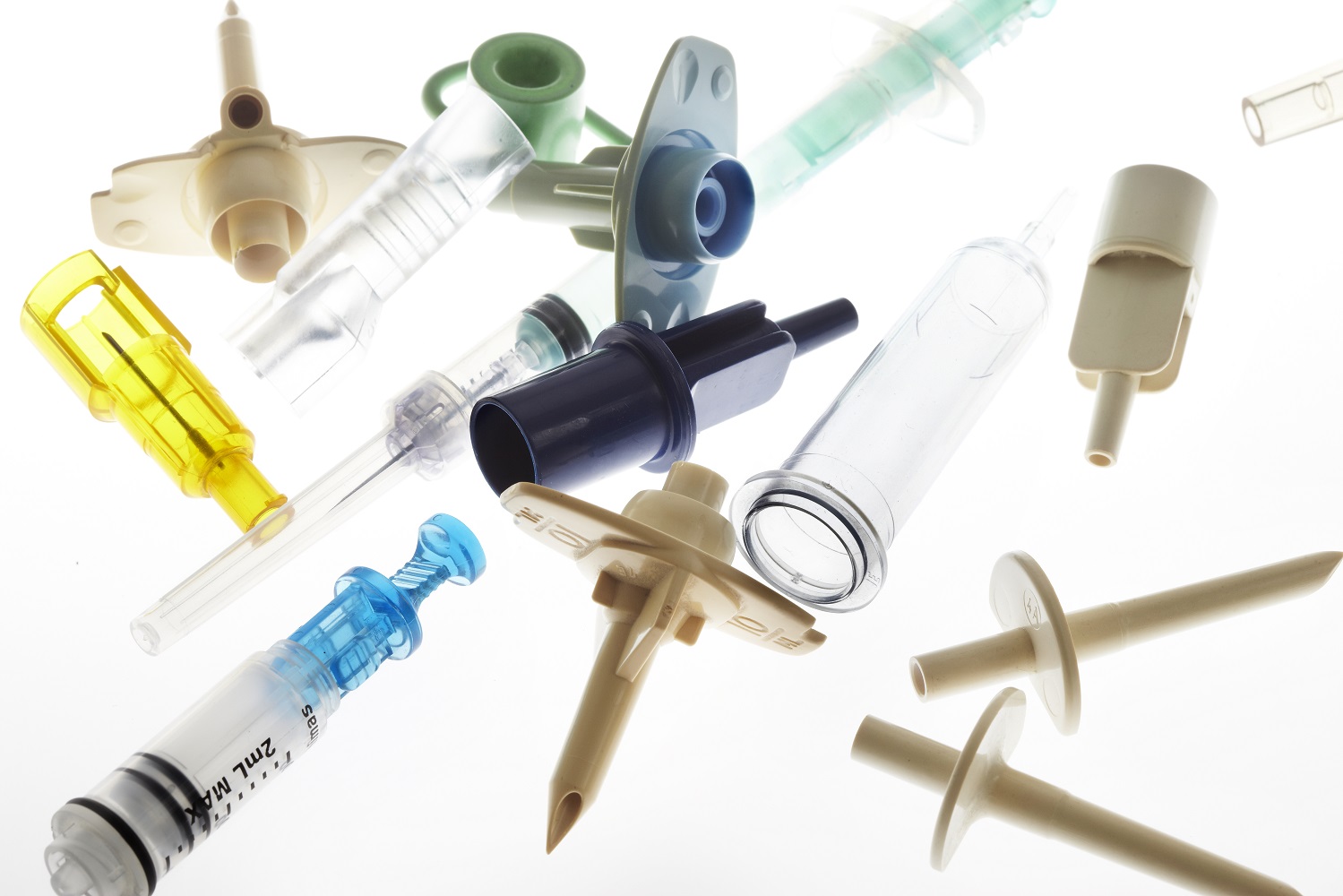
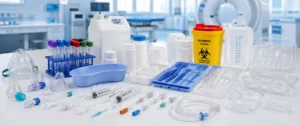
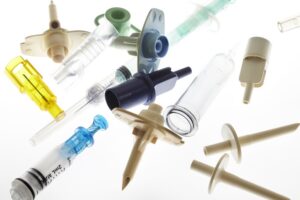
Southern California’s concentration of medical device, biotechnology, and aerospace companies has shaped demand for cleanroom manufacturing suppliers in Los Angeles over several decades. Medical device manufacturers use cleanroom molded components in diagnostic instruments, drug delivery devices, and surgical tools. Pharmaceutical companies rely on cleanroom molding for primary packaging that contacts drug product directly, while electronics and aerospace customers use cleanroom environments for components sensitive to particulate contamination even when sterility is not the primary concern.
This regional concentration means cleanroom manufacturing suppliers Los Angeles companies rely on often carry deep experience across multiple regulated industries rather than specializing narrowly in one. That breadth can be valuable for companies whose products sit at the intersection of medical and consumer applications, or whose components must meet both contamination control and mechanical performance requirements simultaneously.
Why Location Matters for Cleanroom Molding Programs
Working with a Cleanroom Manufacturing Partner Los Angeles supplier rather than a facility across the country carries practical advantages during the parts of a program that benefit most from in-person collaboration. Tooling trials, first article inspection, and troubleshooting during validation often go faster when engineering teams can visit the floor directly rather than relying entirely on video calls and shipped samples.
Regional proximity also reduces the logistics chain between molding and any secondary operations or final assembly steps that happen locally, which can shorten lead times and reduce the number of shipping touchpoints a contamination-sensitive component passes through before reaching its next destination. For companies headquartered in Southern California, a local cleanroom manufacturing partner also simplifies supplier audits and quality system reviews.
Material Handling and Contamination Control in Cleanroom Molding
Material handling inside a cleanroom manufacturing facility requires more than simply moving resin from a shipping container to a hopper. Materials entering a classified space typically pass through an airlock or transfer area where outer packaging is removed to avoid introducing particulate from shipping materials. Resin drying, blending, and loading equipment located within or adjacent to the cleanroom must be designed and maintained to avoid becoming a contamination source themselves.
Personnel practices matter just as much as equipment. Gowning procedures, hand hygiene protocols, and restrictions on materials brought into the cleanroom all support the contamination control that cleanroom manufacturing customers are paying for. A facility with well-documented, consistently followed procedures is a stronger indicator of a reliable Cleanroom Manufacturing Partner Los Angeles than the classification number alone.
Equipment and Facility Requirements for Cleanroom Injection Molding
Injection molding presses used inside a cleanroom are often modified or selected specifically to minimize particulate generation, with attention paid to hydraulic systems, venting, and surfaces that could shed material into the controlled environment. Some cleanroom manufacturing facilities in Los Angeles use all-electric presses specifically to eliminate the hydraulic fluid exposure risk associated with hydraulic equipment.
Auxiliary equipment such as robots, conveyors, and packaging stations located within the cleanroom must meet the same contamination control standards as the primary molding equipment. Facilities offering cleanroom manufacturing Los Angeles customers depend on, and that integrate secondary operations directly into the cleanroom rather than moving parts to an uncontrolled area for finishing, reduce the handling steps where contamination risk is highest.
Quality Documentation Expected from a Cleanroom Molding Supplier
Suppliers offering cleanroom manufacturing services should be able to produce environmental monitoring records, current ISO 14644-1 certification, gowning and cleaning procedures, and evidence of an active preventive maintenance program for cleanroom equipment. This documentation should be current, not a certificate from several years ago presented as evidence of an ongoing program.
For medical and pharmaceutical applications, cleanroom documentation typically sits alongside a broader quality management system such as ISO 13485, since cleanroom molding is usually one component of a larger regulated production process. Procurement teams evaluating suppliers should ask how cleanroom records integrate with the facility’s overall quality system rather than treating the cleanroom as a standalone capability.
Secondary Operations Performed Within a Cleanroom Environment
Many cleanroom molded components require secondary operations such as ultrasonic welding, insert placement, pad printing, or clean packaging before they leave the controlled environment. Performing these steps within the same cleanroom manufacturing facility, under the same environmental controls as the molding itself, avoids exposing a finished or partially finished component to an uncontrolled environment between steps.
Suppliers capable of clean packaging directly within the cleanroom provide an additional layer of protection for components headed toward sterile applications, since the part never leaves a controlled environment until it reaches its final packaging configuration. This integration is worth evaluating alongside molding capability when comparing cleanroom manufacturing suppliers in Los Angeles for a new program.
Why Hi-Rel Plastics Delivers Cleanroom Manufacturing in Los Angeles
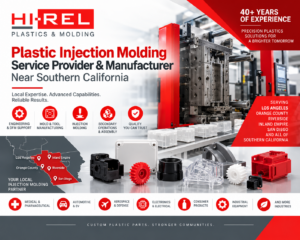
Hi-Rel Plastics & Molding operates ISO-certified cleanroom manufacturing space in Southern California, giving medical device, pharmaceutical, and electronics customers a local partner for cleanroom manufacturing programs. The company maintains environmental monitoring, documented gowning and material handling procedures, and a quality management system built around ISO 13485 and ISO 9001 to support regulated production.
Hi-Rel’s ability to perform secondary operations and assembly within controlled environments gives customers a single accountable source for cleanroom molded components rather than a fragmented supply chain spanning multiple vendors. That combination of local presence and integrated capability is what Southern California engineering and procurement teams look for when qualifying a Cleanroom Manufacturing Partner Los Angeles.
Ready to Start Your Cleanroom Manufacturing Program in Los Angeles?
Selecting the right cleanroom manufacturing partner early in a program reduces risk during tooling development, validation, and the transition into commercial production. Local presence, verifiable documentation, and integrated secondary operations are all worth weighing alongside price and lead time when comparing suppliers for a contamination-sensitive component.
Hi-Rel Plastics & Molding welcomes inquiries from engineers and procurement professionals evaluating Cleanroom Manufacturing Partner Los Angeles options for an upcoming program. Contact Hi-Rel Plastics & Molding to share your part requirements and discuss how Hi-Rel’s cleanroom capabilities can support your project.