The Inland Empire city of Riverside, California sits at the intersection of a growing advanced manufacturing corridor and a broad network of Southern California medical device companies. When medical device OEMs, contract manufacturers, and product development teams look for a medical device plastics manufacturer in Riverside or the surrounding region, they are searching for more than basic injection molding capability. They need suppliers with quality management systems, cleanroom production environments, biocompatible material expertise, and the documentation practices required by FDA and ISO regulatory frameworks.
Sourcing a medical device plastics manufacturer near Riverside offers logistical advantages for companies based throughout Southern California. Reduced shipping distances, easier on-site collaboration, and greater supply chain resilience are all practical benefits of working with a regional supplier. This article explores what medical device plastics manufacturing involves, what distinguishes qualified suppliers in the Riverside area, and what engineering and procurement teams should look for when evaluating potential manufacturing partners.
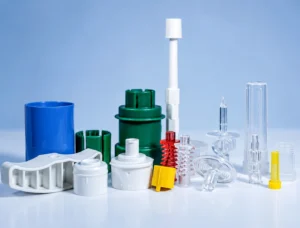
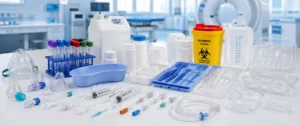
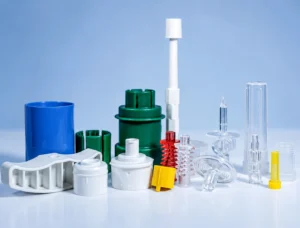
A medical device plastics manufacturer produces plastic components, sub-assemblies, and finished parts for use in healthcare products. The scope of work can range from a single injection-molded component to a complete multi-part assembly that includes secondary operations such as welding, labeling, packaging, and sterilization preparation. Medical device plastics manufacturers may serve companies developing Class I devices such as bandages and surgical drapes, Class II devices such as diagnostic equipment and infusion systems, or Class III devices such as implantables and life-sustaining equipment.
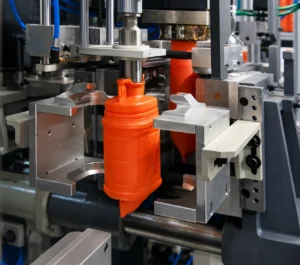
The processes commonly used by medical device plastics manufacturers include injection molding, insert molding, overmolding, blow molding, and various secondary operations. Each process has distinct applications and design requirements. Injection molding is the most widely used process for producing complex, precision plastic parts. Insert molding allows metal or electronic components to be encapsulated in plastic during the molding cycle. Overmolding applies a second material over an existing substrate to add grip, sealing, or functional differentiation. A capable medical device plastics manufacturer near Riverside will typically offer multiple processes to support customers across a range of product types.
Medical device plastics manufacturing is one of the most heavily regulated sectors of the plastics industry. In the United States, the FDA regulates medical devices under 21 CFR Part 820, which defines quality system requirements for device manufacturers and their contract manufacturers. ISO 13485 is the internationally recognized quality management system standard for the medical device industry and is required by regulatory frameworks in the European Union, Canada, Australia, and many other markets. Suppliers operating as medical device plastics manufacturers must maintain documented quality systems that comply with one or both of these frameworks.
Beyond quality system requirements, medical device plastics manufacturers must manage material biocompatibility per ISO 10993, process validation per applicable FDA guidance and industry standards, and sterilization compatibility when products will be terminally sterilized. Change control is a particularly important area — any change to materials, tooling, process parameters, or facility conditions must be reviewed and documented before implementation, and may require customer notification or re-validation. The regulatory complexity of medical device plastics manufacturing is one reason that OEMs place significant emphasis on supplier qualification and long-term supplier relationships.
Many medical device plastic components must be manufactured in controlled environments to meet contamination requirements defined by the device type, intended use, and applicable regulatory standards. Cleanroom injection molding in the Riverside and Inland Empire region is available from a number of precision plastics manufacturers. ISO Class 7 and ISO Class 8 cleanrooms are the most common configurations for medical device applications, providing the particulate control necessary for components that contact sterile fluids, bodily tissues, or implantable sites.
A medical device plastics manufacturer in Riverside offering cleanroom capabilities should be able to provide documentation of cleanroom classification, including particle count test results and air handling system specifications. Environmental monitoring records, gowning and personnel protocols, and equipment decontamination procedures are all part of a well-run cleanroom operation. Customers evaluating cleanroom suppliers should ask to review this documentation as part of the supplier qualification process, and should consider conducting an on-site audit to verify the facility’s cleanliness practices firsthand.
Medical device plastics manufacturers work with a wide range of engineered thermoplastics and specialty resins, each selected for specific combinations of mechanical performance, biocompatibility, chemical resistance, and processing characteristics. Common medical-grade resins include polypropylene, polycarbonate, ABS, nylon, PEEK, polysulfone, and various thermoplastic elastomers. Each material has different biocompatibility profiles, sterilization compatibilities, and processing requirements. A knowledgeable medical device plastics manufacturer in Riverside will have experience with multiple resin families and can guide material selection based on the device’s functional and regulatory requirements.
Biocompatibility testing per ISO 10993 is a multi-part standard that defines biological evaluation requirements based on the nature and duration of patient contact. The standard covers cytotoxicity, sensitization, irritation, systemic toxicity, genotoxicity, and other endpoints. Material suppliers typically provide ISO 10993 or USP Class VI documentation for medical-grade resins, but the device manufacturer remains responsible for the overall biocompatibility evaluation of the finished device. A medical device plastics manufacturer that understands the biocompatibility framework can provide meaningful technical support during the material selection and documentation process.
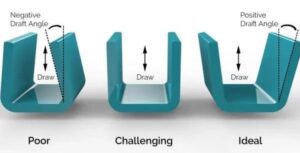
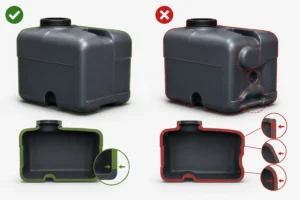
Precision tooling is foundational to consistent, high-quality medical device plastic components. Medical-grade molds are typically built from hardened stainless steel or tool steel to withstand the production volumes and maintenance cycles required in regulated manufacturing environments. Tooling for medical components must achieve tight dimensional tolerances, often measured in thousandths of an inch, and must maintain those tolerances across the validated life of the mold. Cavity balance, gate design, runner configuration, and cooling system design all contribute to the dimensional consistency and surface quality of molded parts.
Mold qualification protocols — including IQ, OQ, and PQ — are standard practice in medical device plastics manufacturing. These protocols generate documentation that becomes part of the device’s design history file and demonstrates that the tooling consistently produces conforming parts. When sourcing tooling from a medical device plastics manufacturer near Riverside, customers should confirm that the supplier follows a defined mold qualification process and can provide the resulting documentation. Some customers choose to own the tooling themselves, which provides flexibility to move production between suppliers if needed.
Medical device plastics manufacturers that offer secondary services in addition to molding provide significant supply chain advantages. Secondary operations commonly offered include ultrasonic welding, heat staking, insert installation, pad printing, laser marking, assembly, and clean packaging. When these operations can be performed by the same supplier that molds the components, handling steps between suppliers are eliminated, traceability is simplified, and lead times are reduced. For medical device OEMs managing complex supply chains, a supplier with broad secondary service capabilities is a more strategic partner.
Assembly services are particularly valuable when a medical device requires multiple plastic components to be combined with metal, electronic, or other sub-components before shipment. A medical device plastics manufacturer near Riverside that offers assembly within a cleanroom or controlled environment can take a device from individual molded components to a finished or semi-finished assembly ready for sterilization or distribution. This level of integration reduces the number of vendor relationships an OEM must manage and can accelerate production timelines.
Traceability is a non-negotiable requirement in medical device plastics manufacturing. Every production lot must be traceable to specific raw material lots, tool cavities, process dates, and inspection results. This traceability enables rapid response to quality events, supports product recalls when necessary, and provides the audit trail required by FDA and ISO regulatory frameworks. Medical device plastics manufacturers near Riverside serving regulated industries maintain lot traceability systems that meet or exceed the documentation requirements of their customers’ quality management systems.
First article inspection reports, certificates of conformance, and material certifications are standard deliverables in medical device plastics manufacturing. These documents travel with each lot of parts and provide the receiving customer with evidence that the parts were produced in accordance with approved specifications. Customers who require additional documentation — such as process parameter records, environmental monitoring data, or in-process inspection results — should communicate these requirements to potential suppliers during the qualification process to confirm that the supplier can meet them.
Hi-Rel Plastics & Molding is located in Southern California’s Inland Empire and serves medical device companies across the Riverside region and broader Southern California market. The company’s capabilities include injection molding, cleanroom production, insert molding, overmolding, and a range of secondary services including assembly, packaging, and finishing operations. Hi-Rel operates under a quality management system designed to meet the expectations of medical device customers and supports the documentation practices required by ISO 13485 and FDA regulatory frameworks.
Hi-Rel’s team brings hands-on experience working with engineers and procurement professionals on medical device programs ranging from early development through commercial production. The company’s regional location supports collaborative supplier relationships with Southern California medical device manufacturers, with shorter lead times and easier on-site communication than distant national suppliers can provide. Hi-Rel welcomes conversations with medical device companies seeking to qualify a new supplier or expand their regional manufacturing base.
Finding the right medical device plastics manufacturer near Riverside involves evaluating quality systems, cleanroom capabilities, material expertise, tooling practices, and secondary service offerings. The supplier selection process for medical applications is more rigorous than for standard industrial components, but the investment in thorough qualification pays dividends in production reliability and regulatory confidence. Starting early — before program timelines become constrained — allows for a thorough evaluation and smooth supplier onboarding.
Hi-Rel Plastics & Molding invites medical device engineers, procurement managers, and product development teams to reach out through hirelplasticsm.com. The Hi-Rel team is ready to discuss your program requirements, review drawings and specifications, and provide guidance on materials, processes, and quality documentation appropriate for your device classification and intended use.