The Controlled Environment Injection Molding Process takes the same basic process used to produce everyday plastic components and layers on the environmental controls, equipment modifications, and personnel discipline needed to keep contamination out of the finished part. For engineers unfamiliar with the process, it can look identical to standard molding from the outside — a press, a mold, and a resin feed — but the differences show up in the details of how the process is set up, monitored, and documented.
Understanding what actually changes when injection molding moves into a cleanroom helps engineers set realistic expectations for cost, lead time, and design constraints. This article walks through the mechanics of cleanroom injection molding, from the classification system that defines the environment to the equipment, materials, and personnel practices that keep it in a controlled state during production.
What Sets the Controlled Environment Injection Molding Process Apart from Standard Molding
The core injection molding cycle — clamping, injection, cooling, and ejection — is fundamentally the same whether or not the process happens in a cleanroom. What changes is everything around that cycle. The Controlled Environment Injection Molding Process requires controlling airborne particulate, limiting the introduction of contamination from materials and personnel, and maintaining that control consistently across every production shift, not just during a customer visit or audit.
This shift in focus affects decisions that would otherwise be routine. Where a mold is stored between runs, how often surfaces are wiped down, and what packaging materials are allowed near the press all become documented procedures rather than informal habits. The process itself does not change dramatically, but the discipline around it does.
Cleanroom Classifications and What They Require
ISO 14644-1 defines the classification system used for controlled-environment molding, based on the maximum permitted concentration of airborne particles at specified particle sizes. ISO Class 7 and Class 8 are the classifications most commonly used for molding, with Class 7 applied to more sensitive applications and Class 8 covering a broader range of contamination-sensitive but non-sterile components.
Achieving a classification is only the starting point. Maintaining it during active production requires HEPA filtration, positive air pressure relative to surrounding spaces, and continuous or periodic particle count monitoring. Facilities must be able to demonstrate that the classified condition holds during actual molding operations, when presses are running and personnel are moving through the space, not only when the room is idle.
Press and Equipment Modifications
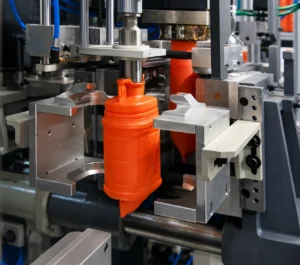
Standard injection molding presses are not automatically suitable for cleanroom use. Presses selected for the Controlled Environment Injection Molding Process are often modified to reduce particulate generation from hydraulic systems, venting, and moving components, and all-electric presses are frequently preferred because they eliminate the hydraulic fluid exposure associated with hydraulic equipment entirely.
Auxiliary equipment introduces the same considerations. Robots, conveyors, chillers, and material handling systems located inside or adjacent to the cleanroom must be evaluated for particulate generation and, where necessary, modified or enclosed. Every piece of equipment inside a controlled molding cell is a potential contamination source if it is not selected and maintained with that in mind.
Material Handling Inside the Cleanroom
Resin entering a controlled molding environment typically passes through an airlock or transfer area. Workers remove the outer shipping packaging before the material enters the controlled space. This step helps prevent particles from cardboard, shrink wrap, and pallets from entering the environment.
Drying, blending, and feeding equipment inside the cleanroom must also prevent contamination. Poorly sealed hoppers or leaking desiccant dryers can compromise the controlled environment. Material traceability at the resin-lot level remains essential in controlled molding operations, just as it does in other regulated production environments.
Personnel Gowning and Behavior Protocols
People are often the largest source of particulate contamination in cleanrooms. Controlled-environment molding facilities manage this risk through gowning procedures, hand hygiene, and restrictions on items brought into the controlled space. Gowning requirements vary by classification level. They typically include coveralls, head covers, and shoe covers that help contain skin cells and fibers.
Behavioral discipline matters as much as the gowning itself. Personnel trained to move deliberately, avoid unnecessary touching of surfaces, and follow entry and exit procedures consistently contribute more to a stable Controlled Environment Injection Molding Process than gowning compliance alone. Ongoing training and periodic observation help ensure these habits persist over time rather than degrading after initial certification.
Tooling Considerations for Cleanroom Production
Molds used in controlled-environment injection molding often use materials and finishes that resist common cleaning agents. Water- and alcohol-based cleaners are common in cleanrooms, where solvent-based options may not be permitted. Cavity surfaces are also designed for clean release. This reduces the need for mold release agents that could introduce contamination.
Controlled molding programs often use more conservative tool maintenance schedules. Unplanned maintenance inside a classified space creates more procedural overhead than it does on a standard production floor. Preventive maintenance planned around production schedules helps avoid unnecessary cleanroom entries and exits.
Documentation and Environmental Monitoring Records
The Controlled Environment Injection Molding Process generates documentation for internal quality systems and external audits. This includes particle count logs, gowning records, equipment maintenance history, and periodic recertification reports. These records provide evidence that the controlled environment remains properly maintained during production.
Suppliers should produce these records promptly and explain how they review them internally. Facilities that use environmental monitoring as an active management tool can identify process drift before it affects part quality.
Industries and Applications That Require Controlled-Environment Molding
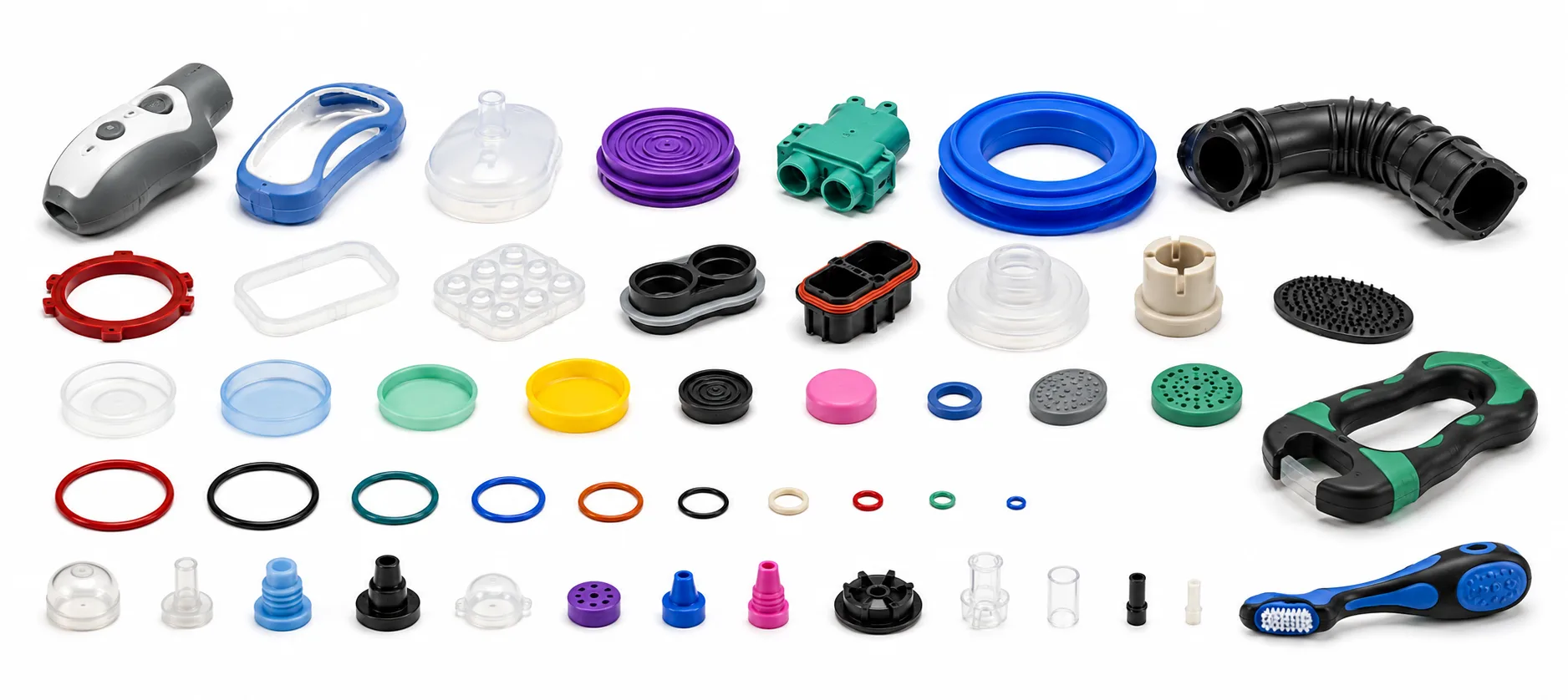
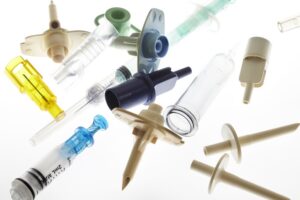
Medical devices are the most familiar application for controlled-environment injection molding, covering everything from diagnostic housings to components that contact sterile fluids or implant sites. Pharmaceutical packaging, drug delivery components, and diagnostic test consumables all commonly require a controlled molding environment as well.
Beyond healthcare, electronics and aerospace applications also use controlled molding when particulate contamination can affect optical clarity, electrical performance, or precision fit. As tolerances become tighter, cleanroom production is becoming relevant to more components, not just those with strict contamination-control requirements.
Why Hi-Rel Plastics Delivers Controlled-Environment Injection Molding
Hi-Rel Plastics & Molding operates ISO-certified, controlled-environment injection molding facilities in Southern California. The company serves medical device, pharmaceutical, and electronics customers that require components produced under controlled conditions. The company maintains environmental monitoring, documented gowning procedures, and equipment selected and maintained specifically for cleanroom production.
Hi-Rel’s quality management system follows ISO 13485 and ISO 9001. It also supports controlled molding operations and provides documentation for internal quality requirements and regulatory audits. Engineering teams can engage Hi-Rel early to determine whether a component needs cleanroom molding or can be produced under standard conditions.
Ready to Explore the Controlled Environment Injection Molding Process for Your Program?
Controlled environment injection molding adds cost and process complexity. Determine early whether the component needs this level of control and which classification applies. A knowledgeable supplier should explain the requirements clearly and recommend an appropriate level of control. This helps avoid unnecessary costs while meeting the project’s actual ne
Hi-Rel Plastics & Molding welcomes inquiries from engineers and procurement professionals evaluating controlled-environment molding for an upcoming program. Contact Hi-Rel Plastics & Molding to share your part requirements and discuss how Hi-Rel’s cleanroom capabilities can support your project.