Low Volume Injection Molding Tooling and Costs fill the gap between prototyping and full-scale production. It produces real parts in real resins, using tooling built for hundreds or thousands of shots rather than millions. For startups, new product launches, and niche applications, it can make injection molded parts affordable when a conventional production tool would not be justified.
This article explains how low volume injection molding works in practice, with a focus on tooling choices, cost per part, material options, and the planning needed to move from small runs to production. The goal is to help engineers and buyers decide when this approach fits and how to set up a program that scales cleanly.
What Low Volume Injection Molding Means in Practice
There is no fixed definition, but low volume injection molding usually refers to quantities from a few dozen parts up to several thousand, sometimes tens of thousands. The defining feature is that tooling cost is kept low by accepting shorter tool life, simpler construction, or fewer cavities than a full production mold would have.
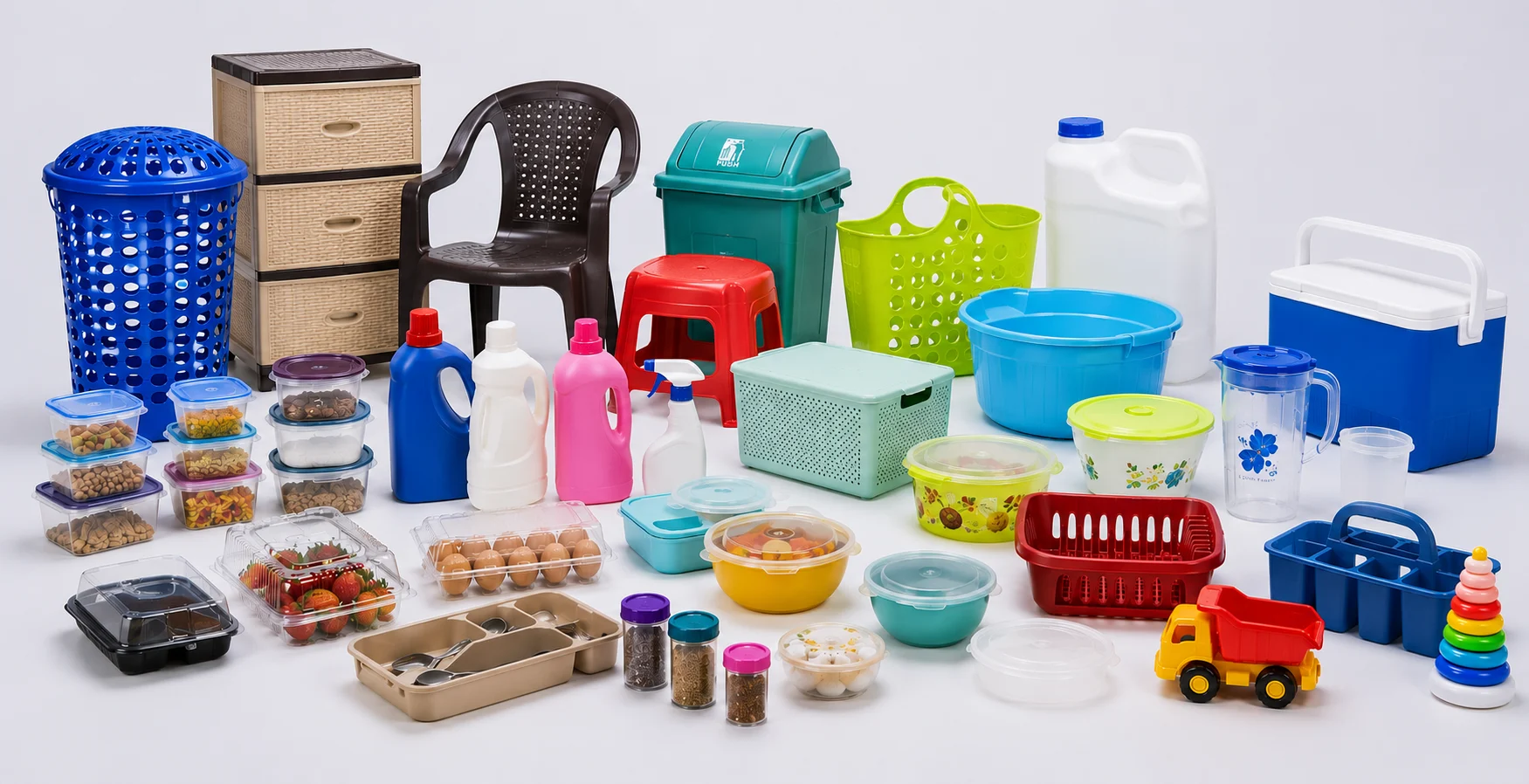
The parts themselves are molded in production-grade thermoplastics, which makes them representative of the final product. That distinction separates low volume injection molding from 3D printing, where material properties and surface quality often differ from molded parts, and it is why many teams use it for testing and early sales.
Aluminum Tooling for Low Volume Injection Molding
Aluminum molds are the most common choice for Low Volume Injection Molding Tooling and Costs. Aluminum machines faster than hardened steel and conducts heat well, so tools are built more quickly and cost less. Lead times can be shorter, which helps teams that are racing to hit a launch date.
The tradeoff is durability. Aluminum wears faster, particularly with abrasive glass-filled resins, and it is more prone to damage during handling. For runs of a few thousand parts with common resins, aluminum is often entirely adequate, and with careful maintenance some tools run well beyond that.
Steel Tooling and Hybrid Approaches
When volumes may grow, or when resins are abrasive, steel tooling can still make sense, even for modest quantities. Pre-hardened steel is less expensive to machine than fully hardened grades and offers a longer life than aluminum, which suits programs expecting several years of demand at modest rates.
Hybrid approaches combine materials, such as an aluminum cavity in a steel frame, or use modular inserts so that only the part-specific components are replaced between programs. These designs reduce cost by reusing standard mold bases while preserving the ability to change parts quickly.
Calculating Cost per Part Across Volumes
Total cost combines tooling, setup, material, machine time, and any secondary operations. At low quantities, tooling dominates, so cost per part falls quickly as volume rises. Comparing quotes at several quantities, not just one, shows where tooling investment pays back and where a cheaper tool costs more per part.
A useful exercise is to calculate the break-even between a low-cost aluminum tool with a slower cycle and a more expensive steel tool with a faster cycle. The answer depends on annual volume, resin cost, and how long the program will run, and it is worth calculating with the molder rather than guessing. This comparison is central to any Low Volume Injection Molding Tooling and Costs budget.
Materials Available for Low Volume Injection Molding
Most thermoplastics can be used in low volume injection molding, including ABS, polycarbonate, polypropylene, nylon, and many engineering grades. Choosing the same resin planned for production avoids surprises in strength, shrinkage, and appearance when the program scales up.
Minimum material quantities can be a consideration, since small runs may require buying a full bag or lot of resin. Specialty grades, such as medical or flame-retardant materials, may involve longer lead times and documentation requirements that should be confirmed before committing to a schedule.
Design Changes That Reduce Tooling Cost
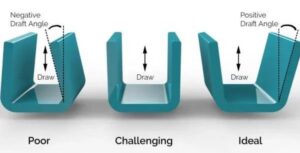
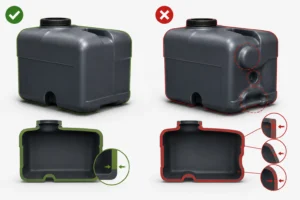
Simple design choices lower tooling cost significantly. Eliminating undercuts removes the need for slides and lifters, uniform wall thickness reduces cycle time and warpage, and adequate draft makes ejection easier. Reducing cosmetic requirements, such as high polish or texture, also cuts machining time.
Design for manufacturability review before quoting helps identify these opportunities. Even small changes, such as relaxing a tolerance on a noncritical feature or moving a parting line, can reduce complexity. A molder that offers this feedback as part of the quoting process saves the customer money before any steel is cut.
Using Low Volume Injection Molding for Testing and Validation
Parts from low volume injection molding can be used for functional testing, regulatory submissions, pilot builds, and market trials. Because they are made by the production process, they reveal issues such as warpage, weld lines, and fit that prototypes made by other methods can miss.
Findings from low volume molding runs can feed back into the production tool design. Observing how the part fills, where it warps, and how it assembles lets engineers adjust gates, cooling, and tolerances before committing to an expensive production mold, which reduces the chance of costly revisions.
Planning the Transition to Production Tooling
Moving from a low volume tool to production tooling is easier when planned early. Keeping the same gate location, parting line, and basic geometry means process knowledge carries over, and part dimensions stay consistent. Documenting the process parameters from the low volume tool gives the production tool a head start, including fill times, temperatures, and pressures.
Timing matters as well. Production tooling can take several weeks or months to build, so starting that work while low volume runs supply the market avoids gaps in supply. A molder that handles both tool types in one facility can coordinate the handoff without repeating validation work.
Why Hi-Rel Plastics Offers Low Volume Injection Molding
Hi-Rel Plastics & Molding provides low volume injection molding alongside production molding, tooling, blow molding, rotational molding, and thermoforming. Its engineers advise customers on tool type, material, and design so that programs start with an approach matched to their volume and schedule.
Supported by ISO 13485, ISO 9001, and AS9100D certification and cleanroom manufacturing capability, Hi-Rel can support low volume injection molding for medical, aerospace, and industrial customers. Secondary operations and assembly are available under the same quality system.
Ready to Review Low Volume Injection Molding Tooling and Costs?
A good starting point is a short conversation about the part, expected quantities, resin, and timeline. Providing drawings or 3D models lets the molder review manufacturability and recommend a tooling approach before a quote is issued.
Hi-Rel Plastics & Molding welcomes inquiries from engineers and procurement professionals evaluating low volume injection molding for an upcoming program. Contact Hi-Rel Plastics & Molding to share your part requirements and discuss how Hi-Rel’s capabilities can support your project.