Cleanroom Molding Prototype to Production programs support a regional medical device community that includes established manufacturers, venture-backed startups, and university spin-offs. Early-stage companies face a particular challenge: they need cleanroom-molded parts for prototypes, verification testing, and clinical builds long before they reach commercial volume. Choosing a molding partner with that path in mind can prevent a painful supplier change at the worst possible time.
This article follows the typical path of a new device through cleanroom molding in Los Angeles, from first prototypes to validated commercial production. It focuses on the decisions startups and growing companies face at each stage, including tooling ownership, documentation, and scaling, rather than on the cleanroom environment alone.
Starting Cleanroom Molding Prototype to Production Programs with Prototypes
Most devices go through several design iterations before the geometry is stable, and cleanroom molding teams see this pattern often. Prototype parts molded in the intended resin, ideally in a controlled environment, give engineers realistic data for fit, function, and early biocompatibility testing. A cleanroom molding partner that can run prototype quantities lets teams avoid testing with parts that do not represent the final process.
Aluminum or bridge tooling is often appropriate at this stage, since it is faster and less expensive than hardened steel. The important question is whether the prototype tool will inform the production tool. Keeping gate location, cavity geometry, and cooling strategy consistent between the two reduces surprises later.
Deciding When Cleanroom Production Is Actually Required
Not every component needs a classified environment, and cleanroom production adds cost. Parts that contact sterile fluids, implant sites, or sensitive drug products usually call for it, while housings that never touch the patient may not. Cleanroom molding customers benefit from an honest assessment of which components truly need controlled production.
Making this decision early matters because it affects tooling, packaging, and validation. A molder who asks about the end use and sterilization method, rather than assuming the highest classification, helps a startup spend its limited budget where it protects patients and the regulatory pathway.
Tooling Ownership and Transfer Planning
For Cleanroom Molding Prototype to Production startups, a common surprise is that they fund tooling and then discover that its ownership, location, and documentation are unclear. A written agreement should state who owns the mold, where it is stored, and how it can be moved. For cleanroom molding programs, it should also address who maintains it and how maintenance is recorded.
Planning for transfer from the start keeps options open. Complete tool drawings, process sheets, and inspection data allow a program to move to another site if capacity or business needs change, and they make audits easier because the history of the tool is documented.
Documentation That Supports Regulatory Submissions
Regulatory submissions depend on records generated during manufacturing, so cleanroom molding suppliers are judged on documentation as well as parts. Material certifications, lot traceability, dimensional reports, and evidence of process control all support the device history file. Suppliers serving device companies should be comfortable producing these records in a form quality teams can use.
Startups with small quality departments benefit from suppliers who already work under a medical quality system such as ISO 13485. Clear procedures for change control, nonconforming material, and corrective action mean the supplier contributes to the quality system instead of adding to its workload.
Process Validation Before Commercial Launch
Before commercial production, a Cleanroom Molding Prototype to Production process needs documented evidence that it consistently produces conforming parts. This usually follows an installation, operational, and performance qualification sequence, with defined process windows and acceptance criteria. Programs should schedule validation early so that tooling adjustments are finished before the validation runs begin.
Any later change to tooling, material, or process may require partial revalidation. Lock down the design and process before validation. This approach helps avoid repeated validation cycles. An experienced molder can also recommend practical acceptance criteria and sample sizes. Their validation experience can help keep the process efficient.
Packaging and Handling After Molding
A part from a cleanroom molding facility can be contaminated afterward if it is handled or packaged carelessly. Cleanroom packaging, such as double bagging in a controlled space, preserves the cleanliness achieved during molding and protects parts during shipment to sterilization or assembly.
Suppliers that package in the same controlled environment as molding reduce handoffs. Packaging configuration should be defined with the sterilizer or assembler so that parts arrive in a form that fits their incoming inspection and process.
Scaling Cleanroom Molding Capacity as Volumes Grow
A startup buying cleanroom molding services that begins with a few thousand parts a year may need hundreds of thousands within a few years if a product succeeds. Capacity planning should include press availability, cleanroom space, and inspection resources, along with the possibility of multi-cavity production tooling.
Asking a supplier how it has scaled other programs reveals whether growth is routine or disruptive. A partner that can move from low-volume builds to commercial production within one quality system saves the cost and risk of requalifying a new supplier.
Working with a Local Supplier During Development
Development is full of questions that are easier to answer in person with a cleanroom molding partner nearby. Local access lets engineers attend tooling trials, review first articles at the press, and troubleshoot quickly. For a small team, a short drive can replace days of back-and-forth by email and shipped samples.
Proximity also supports audits and supplier reviews. Quality teams can visit the cleanroom, see how gowning and material flow work, and meet the people running the process, which builds confidence that documentation reflects real practice. For medical-device programs, ISO 13485 provides the internationally recognized framework for quality management systems used in medical device manufacturing.
Why Hi-Rel Plastics Delivers Cleanroom Molding in Los Angeles
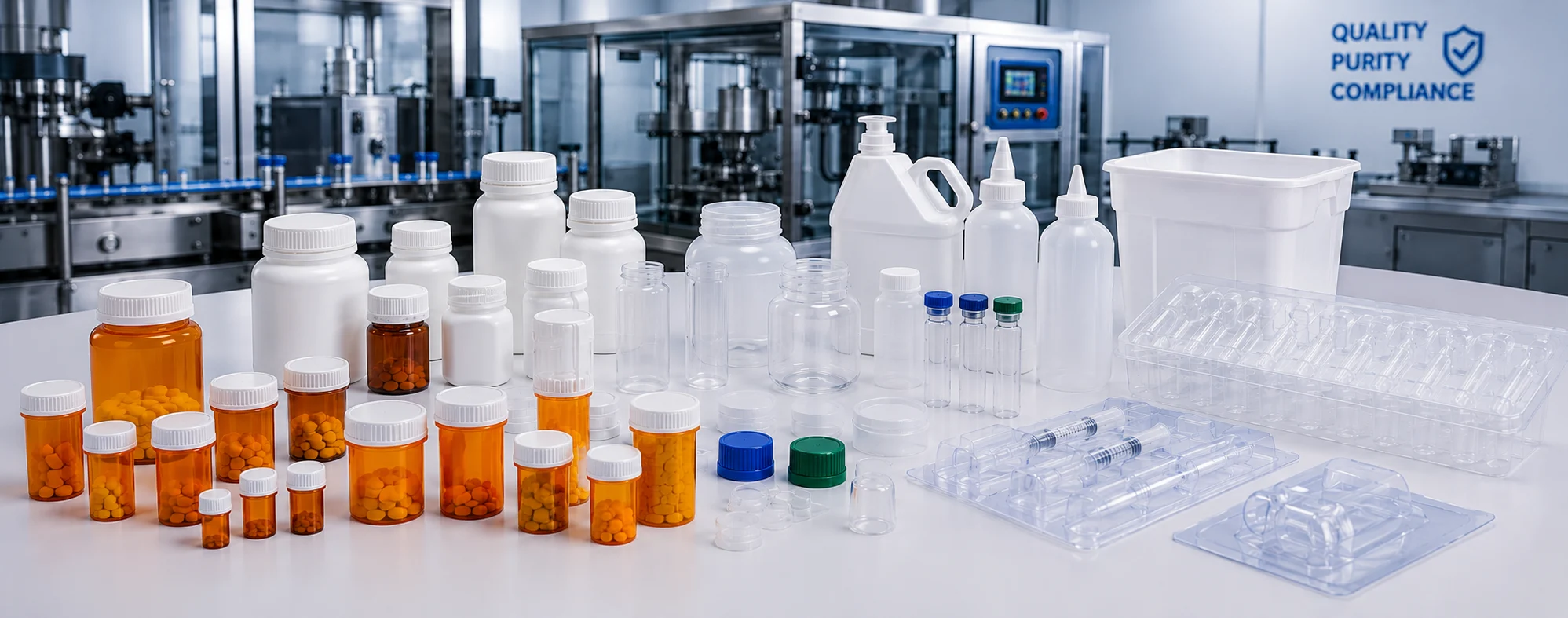
Hi-Rel Plastics & Molding provides cleanroom molding Los Angeles customers can use for prototypes and commercial production. The company supports these programs with ISO 13485 certification and a Southern California manufacturing location. The company supports tooling design, process development, and validation for medical, pharmaceutical, and electronics customers.
Hi-Rel’s secondary operations and assembly capabilities allow molded parts to be finished and packaged within controlled conditions. That integration gives growing companies a single supplier whose capabilities can expand as their products do.
Ready to Start Your Cleanroom Molding Prototype to Production Program?
The best time to talk with a molder is before tooling is built and before the design is final. Sharing the intended use, sterilization method, expected volumes, and timeline lets a supplier recommend a path that fits the program.
Hi-Rel Plastics & Molding welcomes inquiries from engineers, quality teams, and procurement professionals evaluating cleanroom molding for an upcoming program. Contact Hi-Rel Plastics & Molding to share your part requirements and discuss how Hi-Rel’s capabilities can support your project.