Liquid silicone injection molding produces soft, flexible, heat-resistant parts from two-component liquid silicone rubber. It is widely used for seals, gaskets, valves, tubing connectors, wearable components, and medical devices, where the combination of softness, durability, and clean processing is hard to match with other materials. Getting LSR material selection and overmolding for medical parts right, from silicone grade to design approach, is central to a successful program.
This article looks at liquid silicone rubber (LSR) molding from the application and material side. It covers silicone properties, durometer, biocompatibility, overmolding, sterilization, cleanroom production, and cost. The goal is to help engineers decide whether silicone fits a product and what to specify when requesting quotes.
What LSR Molding Is Used For
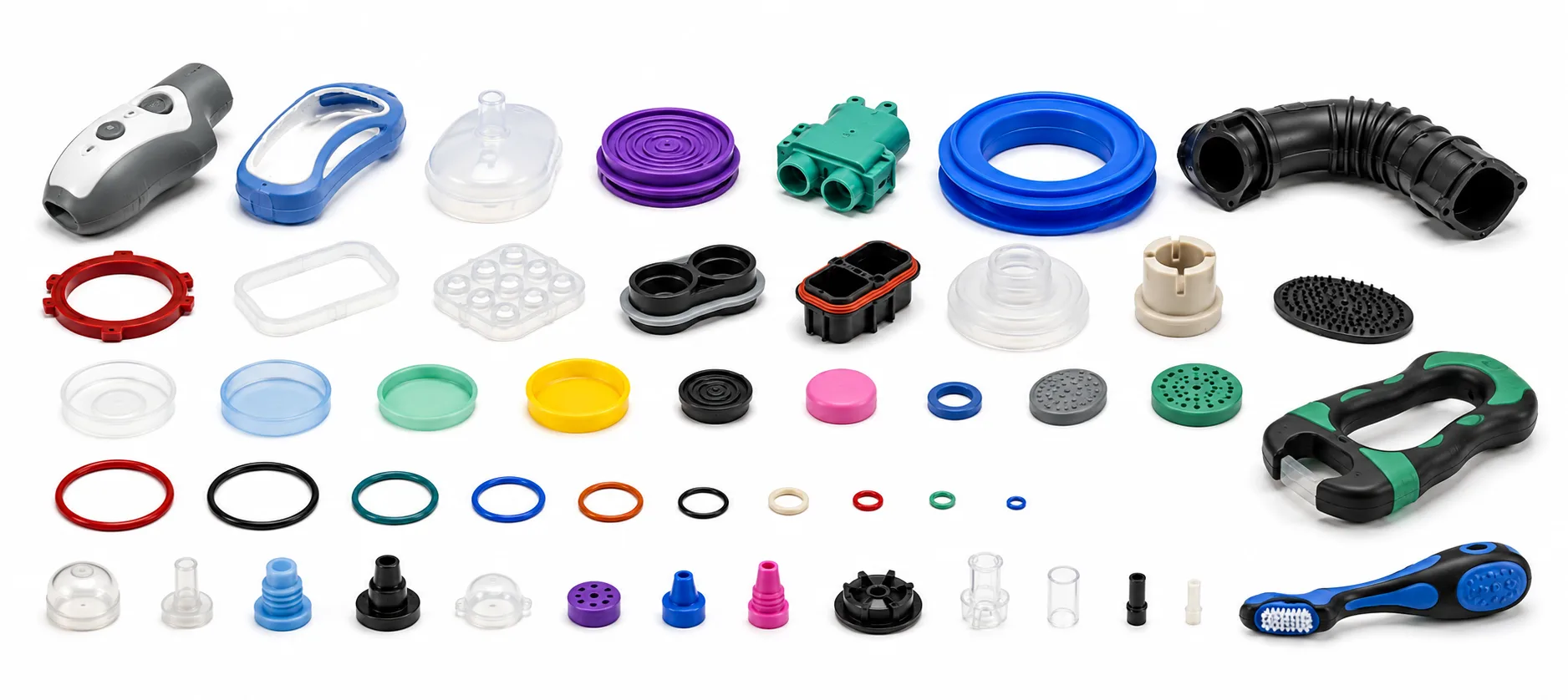
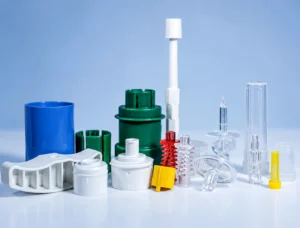
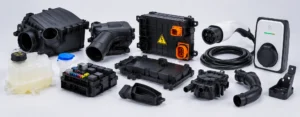
Precision LSR molding serves industries that need soft, durable parts with stable properties over long service lives. Common products include O-rings and seals, diaphragms, duckbill valves, catheter components, respiratory masks, baby product components, keypads, and electronic gaskets. The process suits small precision parts as well as larger molded components, and it can produce very thin features that other elastomer processes struggle to form.
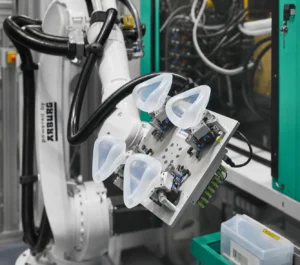
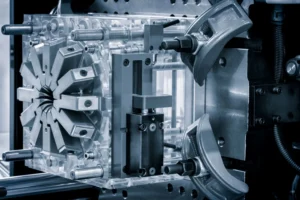
Its appeal comes from automation and consistency. Metering equipment mixes the two components and injects them into a heated mold with little operator involvement, so parts are repeatable across large volumes. Fully automated lines can run with minimal handling, which also supports cleanliness.
Silicone Properties That Drive Material Selection
Silicone remains flexible across a wide temperature range, resists ozone, UV light, and many chemicals, and has good electrical insulation properties. It does not harden or crack easily with age, which makes it suitable for seals that must work for years. These properties explain its use in both medical and industrial products, and they are the main reasons designers choose liquid silicone injection molding over other elastomer processes.
Silicone also has limits. Its tear strength is lower than that of many other elastomers, and it is permeable to some gases and not compatible with certain solvents and fuels. Reviewing the operating environment with the molder avoids selecting silicone for an application where another elastomer would perform better.
Durometer and Grades in LSR
Hardness is measured on the Shore A scale, and LSR is available across a broad range, from very soft grades to firm ones. Softer grades feel gel-like and conform to surfaces, while harder grades hold shape and resist deformation. The right choice depends on sealing force, feel, and function.
Grades also vary in tear strength, elongation, color, transparency, and flow behavior. Specialty options include self-lubricating, flame-retardant, conductive, and optical grades. Material data sheets provide starting values, and suppliers can usually recommend candidate grades once they review the application. Still, testing parts made by the actual process gives the most reliable picture of performance.
Biocompatibility and Medical Applications of LSR
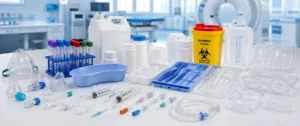
Medical-grade silicone is widely used because it is inert and well characterized. Suppliers offer grades tested for biocompatibility under recognized standards, which helps device manufacturers support regulatory submissions. Typical uses include seals, valves, masks, tubing connectors, and components that contact skin or fluids.
Grade selection should consider the duration and type of body contact, since requirements differ for skin contact, mucosal contact, and implants. In LSR material selection and overmolding for medical parts, documentation, lot traceability, and change control matter as much as the material itself. For this reason, medical programs generally lock down the supplier and grade early. Any later change to the silicone formulation may require new testing, which is costly and slow.
Overmolding Silicone onto Thermoplastics
Many products combine a rigid plastic frame with a soft silicone seal or grip. Silicone does not naturally bond to most thermoplastics, so overmolding relies on self-adhesive silicone grades, primers, plasma treatment, or mechanical interlocks. The right method depends on the substrate and the strength required.
Thermoplastic substrates must tolerate the mold temperature used to cure silicone, which limits material choices. Designers often add features such as holes, grooves, and undercuts to lock the silicone mechanically. Prototype testing confirms bond strength before production tooling is committed, and peel and pull tests on sample parts give objective evidence of adhesion.
Sterilization and Cleaning of Silicone Parts
Silicone tolerates many medical device sterilization methods, including steam, ethylene oxide, and gamma radiation, which is one reason it is common in medical devices. Repeated cycles can still affect properties, so the number of cycles and the method should be tested with the finished part.
Cleaning during manufacturing also matters. Silicone parts can attract dust because of surface tackiness, so handling during molding should be controlled. Washing, post-curing, and clean packaging are used as needed to meet particulate and residue requirements for medical and electronic applications.
Cleanroom Production for Medical LSR Parts
Many medical programs run LSR molding inside a cleanroom to control particulates and bioburden. Automated metering, closed material handling, and automated part removal reduce contact with people and the environment. Parts are packaged in controlled conditions to preserve cleanliness.
The required cleanroom classification depends on the application. Over-specifying adds cost, while under-specifying adds risk, so the requirement should be set with the device’s risk assessment in mind. Environmental monitoring records support audits and show that conditions stayed within limits.
Cost Drivers and Volume Considerations
Tooling for LSR molding costs more than comparable thermoplastic tooling because of tight tolerances, cold runner systems, and the precision needed to prevent flash. These costs spread out over volume, so the process is most economical for programs with moderate to high quantities.
Material cost, cycle time, and flash removal also affect price. Flashless tool designs, multi-cavity tooling, and automation reduce per-part cost on larger programs. For small volumes, a molder may recommend simpler tooling or an alternative process, and an honest comparison saves money.
Why Hi-Rel Plastics Offers LSR Molding
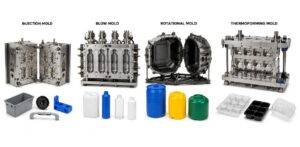
Hi-Rel Plastics & Molding provides liquid silicone injection molding alongside thermoplastic injection, blow, rotational, and thermoforming processes. Its engineers guide customers through LSR material selection and overmolding for medical parts, as well as tooling design and process development, so that programs begin with a sound approach.
Supported by ISO 13485, ISO 9001, and AS9100D certification and cleanroom manufacturing capability, Hi-Rel supports silicone programs for medical, aerospace, and industrial customers. Secondary operations and assembly are available under the same quality system.
Ready to Start Your Next LSR Project?
A useful first conversation covers the part’s function, durometer, sterilization method, volumes, and regulatory requirements. Sharing drawings or models early lets the molder review manufacturability and recommend material and tooling options before work begins.
Hi-Rel Plastics & Molding welcomes inquiries from engineers and procurement professionals evaluating liquid silicone injection molding for an upcoming program. Share your part requirements with Hi-Rel’s engineering team to discuss how its capabilities can support your project.