How much does plastic injection molding cost? It depends on your part, your volume, and your industry. Most projects combine a one-time tooling cost with a recurring cost per part. This guide explains each cost driver so you can plan your budget.
We have molded precision parts in Riverside, California, since 1984. Our customers are in medical, aerospace, defense, automotive, electronics, and industrial markets across the U.S. The questions below are the ones we work through with them on every quote.
What Makes Up the Cost of an Injection Molded Part?
Every quote has two layers. The first is tooling, which you pay once. The second is production, which you pay on every order.
What Are the Main Cost Components?
- Mold design and fabrication: Steel or aluminum tooling built for your part geometry.
- Resin: The plastic itself, usually priced per pound.
- Machine time: The press hourly rate multiplied by cycle time.
- Labor and setup: Mold changeovers, inspection, and handling.
- Secondary operations: Assembly, printing, welding, or machining after molding.
- Quality documentation: Inspection reports, certifications, and lot traceability.
Tooling usually takes up most of the budget early on. At higher volumes, material and cycle time matter more.
Why Do Quotes Vary So Much Between Molders?
Ask three suppliers how much does plastic injection molding cost for the same part, and you may get three very different numbers. Each molder may assume a different mold steel, cavity count, or inspection level. Ask every supplier to list those assumptions in writing. Then you can compare quotes on equal terms.
How Much Does Plastic Injection Molding Cost for a Typical Project?
There is no single price, but typical ranges help with early planning. The figures below are common U.S. market ranges, not fixed quotes. Your final numbers depend on your design and requirements.
How Much Does a Plastic Injection Mold Cost?
| Tooling Type |
Typical Cost Range |
Expected Mold Life |
Typical Use |
| Prototype aluminum mold |
3,000–25,000 |
Thousands to tens of thousands of shots |
Prototypes, bridge tooling, low volumes |
| Single-cavity steel mold |
10,000–50,000 |
Hundreds of thousands of shots |
Moderate production volumes |
| Multi-cavity hardened steel mold |
40,000–150,000+ |
1 million+ shots |
High-volume production |
| Side actions or hot runners |
Adds 5,000–30,000+ |
Varies |
Undercuts, complex geometry, less scrap |
Mold size, cavity count, steel grade, and surface finish all affect the price. Side actions for undercuts add mechanisms and machining hours. Hot runner systems cost more upfront but reduce scrap and cycle time.
How Much Does Plastic Injection Molding Cost Per Part?
Per-part prices range from a few cents to $10 or more. The final number depends on resin, cycle time, part size, and order quantity. How you spread the tooling cost often matters most.
Here is a simple example. A $30,000 mold spread over 10,000 parts adds $3.00 per part. Spread over 100,000 parts, it adds just $0.30. That is why volume forecasts shape every quote.
Press size matters too. Hourly press rates commonly run from about $40 to $150 or more, depending on tonnage. A part that needs a 300-ton press costs more per cycle than one that fits a 50-ton press.
How Do Material Choices Change the Price?
Resin cost rises with performance. Commodity resins like polypropylene and polyethylene are often a few dollars per pound or less. Engineering resins like nylon, polycarbonate, and acetal cost more. High-performance materials like PEEK and PEI can cost many times more per pound.
Material also affects processing. Glass-filled resins wear tooling faster. Some high-temperature materials need hotter molds and longer cycles. We review these trade-offs with customers before tooling starts.
What Design Decisions Raise or Lower Molding Costs?
Most of the cost is set at the design stage. Small geometry changes can save thousands on tooling.
How Does Part Complexity Affect Tooling?
Undercuts, threads, and internal features need side actions or collapsing cores. Thick walls take longer to cool, which lengthens the cycle. Uneven walls cause sink and warp, which raises scrap. Draft angles help parts eject cleanly and protect the mold.
Design for manufacturability (DFM) feedback catches these issues early. We review every new design before we cut steel. Our plastic injection molding team flags features that add cost without adding function.
Do Tight Tolerances Increase Cost?
Yes. Tighter tolerances need more precise tooling, tighter process control, and more inspection. Tolerance stack-up across mating parts can also force tighter specs than a single part needs. Apply tight tolerances only to critical features. Standard tolerances elsewhere keep costs down.
How Does Order Volume Change the Math?
Low volumes favor aluminum or single-cavity tools. High volumes justify multi-cavity steel molds with automation. The break-even point depends on your annual demand and product life. Share realistic forecasts with your molder. Overestimating volume leads to tooling that is more than you need.
What Hidden Costs Should You Plan For?
Many buyers ask how much does injection molding cost and look only at the mold and the piece price. The total landed cost includes several more items.
How Do Secondary Operations Affect Total Cost?
Steps after molding add labor and handling. Common examples include assembly, pad printing, ultrasonic welding, heat staking, and custom packaging. Keeping these steps with one supplier cuts freight, handoffs, and quality risk. We perform these operations in-house, so they fit into one production flow.
Does Cleanroom Molding Cost More?
Usually, yes. Medical parts often need controlled environments, gowning procedures, and environmental monitoring. Those controls add overhead to every production hour. Our cleanroom medical injection molding runs in an ISO 7 (Class 10,000) cleanroom. Medical programs also typically require a supplier quality system that follows ISO 13485.
What Do Aerospace and Defense Requirements Add?
Aerospace programs need full traceability. That includes resin lot records, first article inspection, and controlled documentation. These steps add time to setup and inspection. Suppliers in this market usually hold AS9100 certification. We hold AS9100 Rev D, along with ISO 9001:2015 and ISO 13485:2016.
Who Owns the Mold, and Who Maintains It?
Customers usually pay for their tooling and own it. Confirm ownership in writing before production starts. Also ask who covers maintenance, repairs, and storage. Molds need regular cleaning and periodic refurbishment, so include those costs in your budget.
How Do We Approach Cost on Customer Projects?
We have built molds and molded parts for more than 40 years. That experience shapes how we quote. We look at the total program cost, not just the first invoice.
- In-house tooling: We design, build, and maintain molds under one roof. Changes move faster without outside toolmakers.
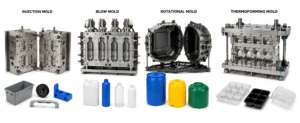
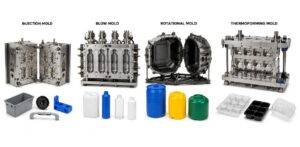
- Multi-process options: We run injection, blow, LSR, thermoforming, and rotational molding. That lets us match each part to the right process.
- Certified quality systems: Our production runs under ISO 9001:2015, AS9100 Rev D, and ISO 13485:2016.
- Rapid prototyping: Prototype parts let customers confirm fit and function before production tooling.
What Should You Send With a Quote Request?
Accurate inputs produce accurate quotes. Include these items:
- 3D CAD files (STEP or IGES) and 2D drawings with tolerances
- Material requirements or performance needs
- Annual volume and typical order quantities
- Cosmetic and surface finish requirements
- Industry certifications or cleanroom needs
- Secondary operations and packaging specs
The more detail you share, the fewer assumptions a molder has to make.
Frequently Asked Questions
How much does plastic injection molding cost for a small production run?
Small runs often cost more per part because tooling is spread across fewer units. Aluminum or single-cavity tools reduce upfront spend. Per-part prices commonly fall between $1 and $10, depending on size and resin.
Do I own the injection mold after paying for it?
In most cases, yes. The customer who pays for the tooling typically owns it. Confirm ownership, maintenance responsibility, and storage terms in your purchase agreement before production begins.
How long does it take to build a production mold?
Production steel molds often take 4 to 12 weeks, depending on complexity. Prototype aluminum tools can be faster. DFM review and design approvals affect the timeline as much as machining does.
Which certifications matter for medical and aerospace molded parts?
Medical device parts typically require a supplier with ISO 13485 and cleanroom capability. Aerospace and defense parts usually require AS9100 with full material and process traceability.
Can the same molder handle secondary operations?
Many molders offer assembly, printing, welding, and packaging in-house. Combining these steps with molding reduces handling, shipping between vendors, and quality risk. Ask which operations happen on-site.
Final Thoughts: Planning Your Injection Molding Budget
So, how much does plastic injection molding cost for your project? The answer depends largely on decisions you control. Keep these takeaways in mind:
- Ask for tooling and per-part costs separately, with all assumptions stated.
- Review DFM feedback before approving the tooling design.
- Include secondary operations, quality documentation, and mold maintenance in your budget.
If you are planning a new part, our team can review your drawings and walk through the cost drivers with you. Contact us or visit Hi-Rel Plastics & Molding to learn more.