What is plastic injection molding? It is a manufacturing process that injects melted plastic into a precision mold to make identical parts. It produces everything from medical device housings to aerospace brackets. This guide explains how it works, which materials it uses, and what to plan for.
We have molded precision plastic parts in Riverside, California, since 1984. Our customers are in medical, aerospace, defense, automotive, electronics, and industrial markets across the U.S. The questions below are the ones new customers ask us most often.
Manufacturers use injection molding to make large numbers of consistent parts at a low cost per part. Once the mold exists, each cycle produces parts with the same geometry and finish. That repeatability matters in regulated industries.
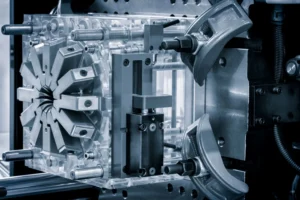
Think of it as a precise, high-pressure version of filling a mold with liquid. Plastic pellets melt inside a heated barrel. A screw pushes the melted plastic into a closed steel or aluminum mold. The plastic cools, hardens, and comes out as a finished part.
Our plastic injection molding work covers prototypes, low-volume runs, and full production. The basic process stays the same at every volume.
No. Additive manufacturing, such as 3D printing, builds parts layer by layer. Injection molding is a formative process. It shapes the full part in one shot inside a mold.
The two processes often work together. Teams frequently 3D print early prototypes to test fit and form. They then move to injection molding for production volumes and final material properties.
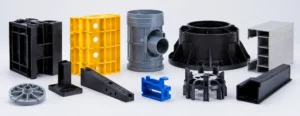
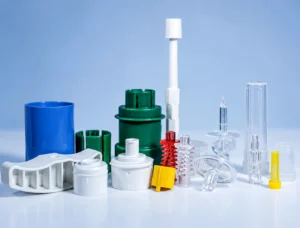
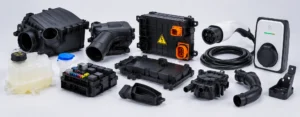
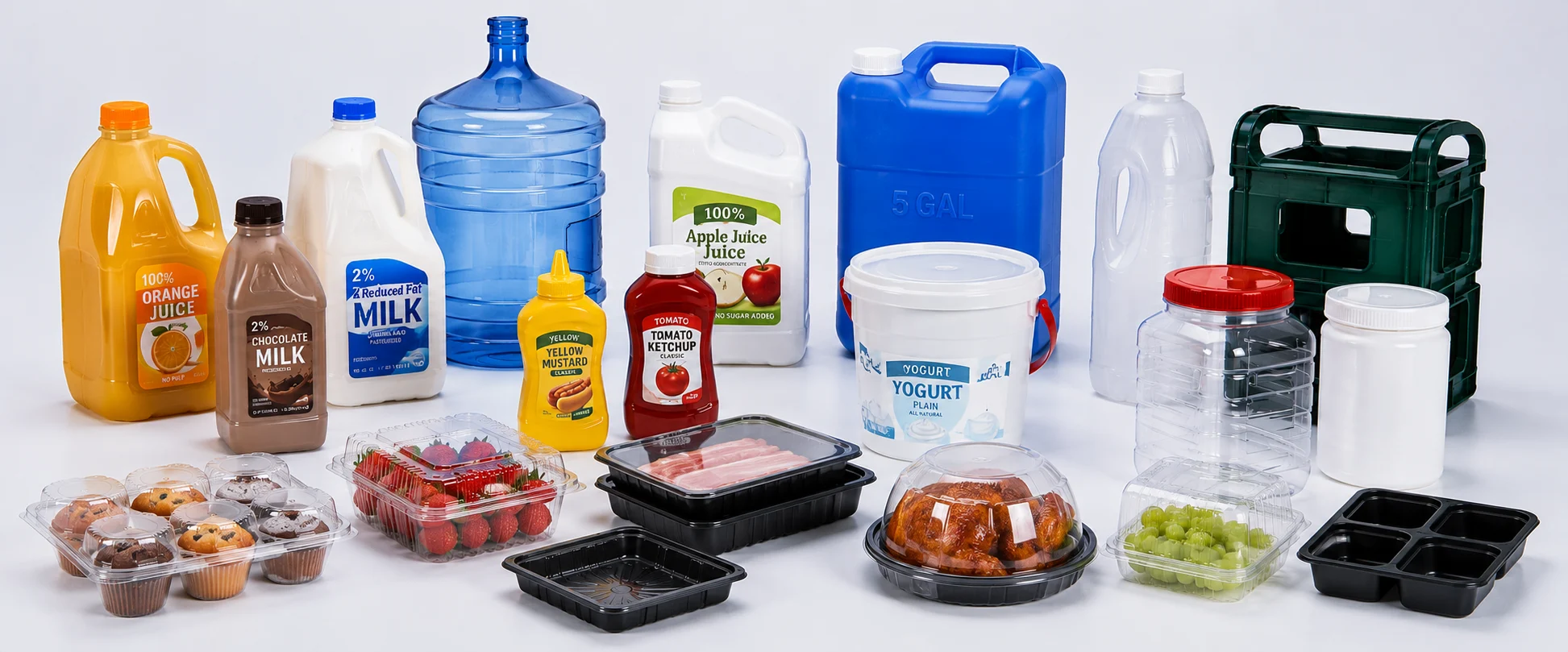
Injection molding fits parts that need consistency, detail, and volume. Common examples include:
Medical parts often need controlled environments. For those programs, we run cleanroom medical injection molding in an ISO 7 (Class 10,000) cleanroom.
Every molded part follows the same basic cycle. The machine repeats that cycle thousands or millions of times with tight process control.
Machines are rated by clamping force in tons. Larger parts need more tonnage to keep the mold closed.
The press then closes again and starts the next cycle.
Most cycles take between about 10 and 60 seconds. Cooling usually takes the largest share of that time. Thick walls, large parts, and some high-temperature resins lengthen the cycle. Multi-cavity molds make several parts per cycle, which raises output.
Thousands of thermoplastic grades can be injection molded. Each one brings trade-offs in strength, heat resistance, cost, and how easily it processes.
| Material | Key Properties | Common Applications |
| ABS | Tough, good surface finish, easy to process | Housings, enclosures, consumer parts |
| Polycarbonate (PC) | Impact resistant, clear, heat resistant | Lenses, covers, medical housings |
| Polypropylene (PP) | Chemical resistant, flexible, low cost | Living hinges, containers, automotive parts |
| Nylon (PA) | Strong, wear resistant, absorbs moisture | Gears, bushings, structural brackets |
| Acetal (POM) | Low friction, dimensionally stable | Precision gears, clips, valve parts |
| PEEK / PEI | High heat, chemical resistance, strength | Aerospace, medical, high-temperature parts |
We also mold liquid silicone rubber (LSR). It uses a related process with a two-part liquid material instead of pellets.
Start with the part’s job. Consider load, temperature, chemical exposure, and any sterilization or flammability requirements. Then weigh cost and processing.
Trade-offs matter here. Glass-filled resins add stiffness but wear tooling faster. Nylon absorbs moisture, which can change its dimensions. High-performance resins handle extreme conditions but cost more and need hotter processing.
Most cost and quality outcomes are set before the mold is built. These questions help buyers plan early.
Design for manufacturability (DFM) review checks whether a part can be molded reliably. It looks at wall thickness, draft angles, undercuts, gate locations, and rib design. Uneven walls cause sink and warp. Missing draft makes parts stick in the mold.
We review every new design before we cut steel. Small changes at this stage can save tooling cost and prevent scrap later.
Tighter tolerances need more precise tooling, tighter process control, and more inspection. Tolerance stack-up across mating parts can also force tighter specs than one part needs alone. Apply tight tolerances only to critical features to keep costs reasonable.
The customer who pays for the tooling usually owns it. Confirm ownership in writing before production starts. Also agree on who covers maintenance, repairs, and storage. Molds need regular cleaning and periodic refurbishment.
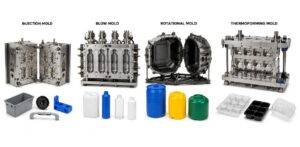
Very low quantities may not justify tooling costs. In those cases, rapid prototyping or 3D printing may work better at first. Hollow parts like bottles often suit blow molding instead. Large, thin sheet parts may suit thermoforming. We run several of these processes, so we can compare options for each part.
The core process stays the same across industries. The controls around it change based on what the part does and where it goes.
Medical components often need cleanroom production, validated processes, and full documentation. Suppliers typically operate a quality system aligned with ISO 13485. Device makers also answer to FDA medical device quality requirements. We hold ISO 13485:2016 certification and operate an ISO 7 cleanroom.
Aerospace programs need full traceability. That includes resin lot records, first article inspection, and controlled documentation. Most aerospace customers require suppliers to hold AS9100 certification. We hold AS9100 Rev D, along with ISO 9001:2015.
Many parts need work after molding. Common steps include assembly, pad printing, ultrasonic welding, heat staking, and custom packaging. Each step adds labor and affects total cost. Keeping these operations with the molder reduces freight, handoffs, and quality risk.
We have built molds and molded parts for more than 40 years. Our work covers each stage from design review to finished, packaged parts.
What is plastic injection molding lead time for a new part?
New production tooling often takes 4 to 12 weeks, depending on complexity. First samples follow mold trials. Once the mold is approved, repeat orders usually ship much faster.
Who owns the injection mold?
The customer who pays for the tooling usually owns it. Confirm ownership, maintenance responsibility, and storage terms in writing before production starts to avoid disputes later.
Does injection molding work for low-volume orders?
Yes, with the right tooling. Aluminum or single-cavity molds lower upfront cost for runs of a few hundred to a few thousand parts. Very small quantities may suit prototyping instead.
What certifications should a medical or aerospace molder hold?
Medical device work typically calls for ISO 13485 and a controlled cleanroom. Aerospace and defense work usually requires AS9100 with full lot traceability. ISO 9001 covers general quality management.
Can a molder handle assembly and other secondary operations?
Many molders perform assembly, pad printing, ultrasonic welding, and packaging in-house. Keeping these steps with one supplier reduces handling, freight between vendors, and quality risk.
So, what is plastic injection molding in practical terms? It is a repeatable way to turn melted plastic into precise parts at scale. Keep these takeaways in mind:
If you are evaluating a new part, our team can review your design and talk through the options. Contact us or visit Hi-Rel Plastics & Molding to learn more.