Selecting a medical device plastics manufacturer Southern California companies can depend on involves more than comparing equipment lists. The region is home to a dense network of device developers, contract manufacturers, and suppliers, and a molder’s place in that network affects speed, risk, and cost. Location matters most when it supports collaboration, continuity, and compliance.
This article looks at how buyers choose a molding partner within the medical device plastics supply chain in Southern California, viewed from a risk perspective. It covers proximity, resin sourcing, downstream partners, capacity planning, documentation, cleanroom production, and scaling. The aim is to help teams build programs that stay on schedule.
The Medical Device Plastics Supply Chain in Southern California
Southern California hosts a large concentration of medical device companies, from established manufacturers to startups and research spin-offs. This activity supports a local ecosystem of machine shops, tooling suppliers, packaging firms, and testing labs. Engineers in the region often have several qualified options within a short drive.
That density benefits device teams, because components, tooling, and services can be coordinated without long shipping delays. It also means competition for supplier capacity can be strong. It is a practical advantage to identify a medical molding partner that programs can grow with, and to build a working relationship before production demands rise.
Value of Proximity to a Local Medical Molder Teams Can Visit
Development is full of questions that are easier to answer in person. Engineers can attend tooling trials, inspect first articles at the press, and troubleshoot issues with operators in real time when their molding partner is nearby. A short trip or a scheduled facility visit can replace days of email exchanges and courier shipments.
Proximity also supports quality activities. Supplier audits, process validation witnessing, and corrective action reviews all work better when quality staff can visit without extended travel. Face-to-face contact builds confidence that documentation reflects actual practice on the floor, and it lets engineers see how material flows from receiving to shipping.
Materials and Resin Supply Chain
Medical programs depend on consistent resin supply. Grades are often qualified for a specific device, and a change in grade, supplier, or manufacturing site can trigger testing and revalidation. A medical device plastics manufacturer Southern California buyers choose should be able to explain how it sources medical-grade resins, tracks lots, and manages supplier notifications.
Safety stock and lead times deserve attention. Specialty resins may have long delivery times, and shortages can halt production. Agreeing on inventory targets and forecast sharing with the molder reduces the chance that a resin delay interrupts a product launch or a supply commitment.
Sterilization, Packaging, and Downstream Partners
Molded parts rarely go straight to the end customer. They often move to assembly, packaging, and sterilization by other partners, and each handoff adds time and risk. A capable molding partner can design packaging, labeling, and lot identification to fit incoming inspection and process requirements.
Material choice must also match the sterilization method, whether gamma, electron beam, ethylene oxide, or steam. Confirming compatibility with the finished part, not just the resin, avoids problems after validation. A well-connected medical device plastics supply chain in Southern California can shorten transit between steps. This helps when schedules are tight and shipments must be coordinated across several sites.
Capacity and Second-Source Strategy for Medical Device Programs
Capacity planning protects supply. Questions to ask include press availability, cleanroom space, inspection resources, and tooling maintenance schedules. A supplier running near full capacity may struggle to absorb a surge, while one with room to grow can support launches and demand spikes.
Some programs qualify a second source for critical components, or keep backup tooling and spare parts. These measures cost money upfront but protect against disruptions. A reliable supplier will provide complete tool documentation and process records, which makes a future transfer or dual-source arrangement far easier.
Documentation and Regulatory Support
Medical device manufacturers need records that show control under 21 CFR Part 820, such as material certifications, lot traceability, dimensional reports, and validation protocols. A medical device plastics manufacturer Southern California device companies rely on should be comfortable producing these records in a form that quality teams and auditors can use.
For any supplier buyers evaluate, ISO 13485 certification demonstrates that it operates a medical quality system, but its scope and implementation matter. Change control, corrective action, calibration, and training programs show whether the system functions day to day, and they are worth reviewing during an audit.
Cleanroom Manufacturing and Assembly
Many devices require molding in a controlled environment to limit particulates and bioburden. Cleanroom classification, monitoring, gowning, and packaging procedures should match the device’s risk profile. Over-specifying adds cost, while under-specifying adds risk, so requirements should be defined with the quality team.
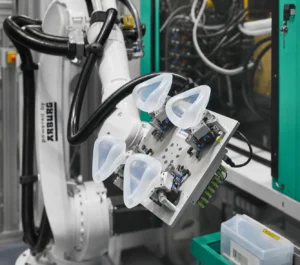
Assembly and secondary operations performed in the same controlled space reduce handling. When molding, assembly, and packaging happen under one quality system, documentation stays consistent and the number of handoffs falls, which simplifies validation and audits.
Scaling from Prototype to Commercial Volume
A program often begins with prototype quantities and grows through clinical builds to commercial production. Using one supplier from prototype to launch avoids requalifying a new partner at the moment volume is rising, which is a costly and risky step for any device. Tooling decisions should anticipate that growth, including cavity count and tool life.
Ask the suppliers you are considering how they have scaled other programs. A track record of managing growth without quality problems is more convincing than a promise. Early planning of validation, packaging, and capacity helps the transition from small builds to commercial supply stay predictable.
Why Hi-Rel Plastics Is a Medical Device Plastics Manufacturer in Southern California
Hi-Rel Plastics & Molding provides medical device plastics manufacturing from its Southern California location, supported by ISO 13485 and ISO 9001 certification and cleanroom manufacturing capability. Its engineers work with device teams on design for manufacturability, material selection, and process development.
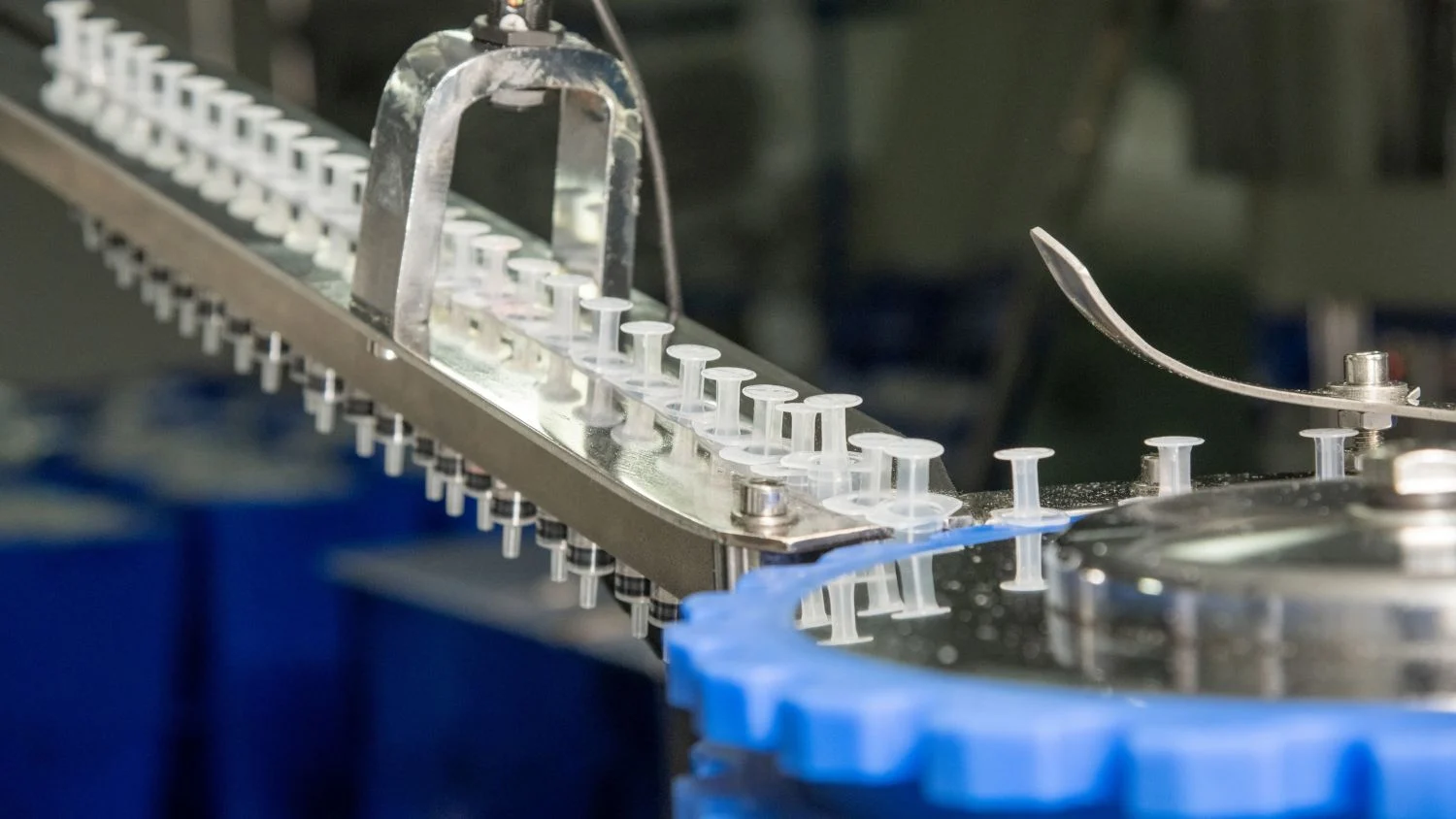
Hi-Rel combines injection molding, tooling, liquid silicone rubber molding, secondary operations, and assembly under one quality system. For teams seeking a medical device plastics manufacturer Southern California programs can scale with, that integration reduces handoffs and keeps documentation consistent.
Ready to Strengthen Your Medical Device Plastics Supply Chain in Southern California?
A productive first step is a conversation about requirements, volumes, sterilization method, and timeline, followed by a facility visit. Bringing drawings and a clear list of must-have capabilities helps both sides identify gaps early.
Hi-Rel Plastics & Molding welcomes inquiries from engineers, quality teams, and procurement professionals evaluating molding partners for an upcoming program. Share your part requirements with Hi-Rel’s team to discuss how its capabilities can support your project.