What is the difference between an ISO 7 and ISO 8 cleanroom for medical molding? An ISO 7 cleanroom allows ten times fewer airborne particles than an ISO 8 cleanroom. That tighter limit requires more filtered air, stricter gowning, and closer monitoring. The right choice depends on the part’s risk, patient contact, and downstream processing.
We have molded plastic parts in Riverside, California, since 1984. Over 40+ years, we have helped medical device teams match cleanroom class to real product risk. This guide answers the questions engineers and buyers ask most when comparing the two classes.
What Are Cleanroom Classifications?
Cleanroom classes set the maximum number of airborne particles allowed per cubic meter of air. Lower ISO numbers mean cleaner air. ISO 5 is cleaner than ISO 7, and ISO 7 is cleaner than ISO 8.
Each step between classes represents a tenfold change in allowed particles. That difference shapes airflow design, operating cost, and daily procedures.
How Do ISO Classes Relate to the Older “Class” Names?
Many people still use names from the retired Federal Standard 209E. ISO 7 corresponds to the former Class 10,000. ISO 8 corresponds to the former Class 100,000.
Both naming systems appear in medical specifications, so it helps to know both.
Why Does Medical Molding Need Cleanrooms at All?
Particles and bioburden can affect patient safety and device function. Fluid-path parts, drug delivery components, and diagnostic cartridges are especially sensitive. Low bioburden also supports reliable sterilization after molding.
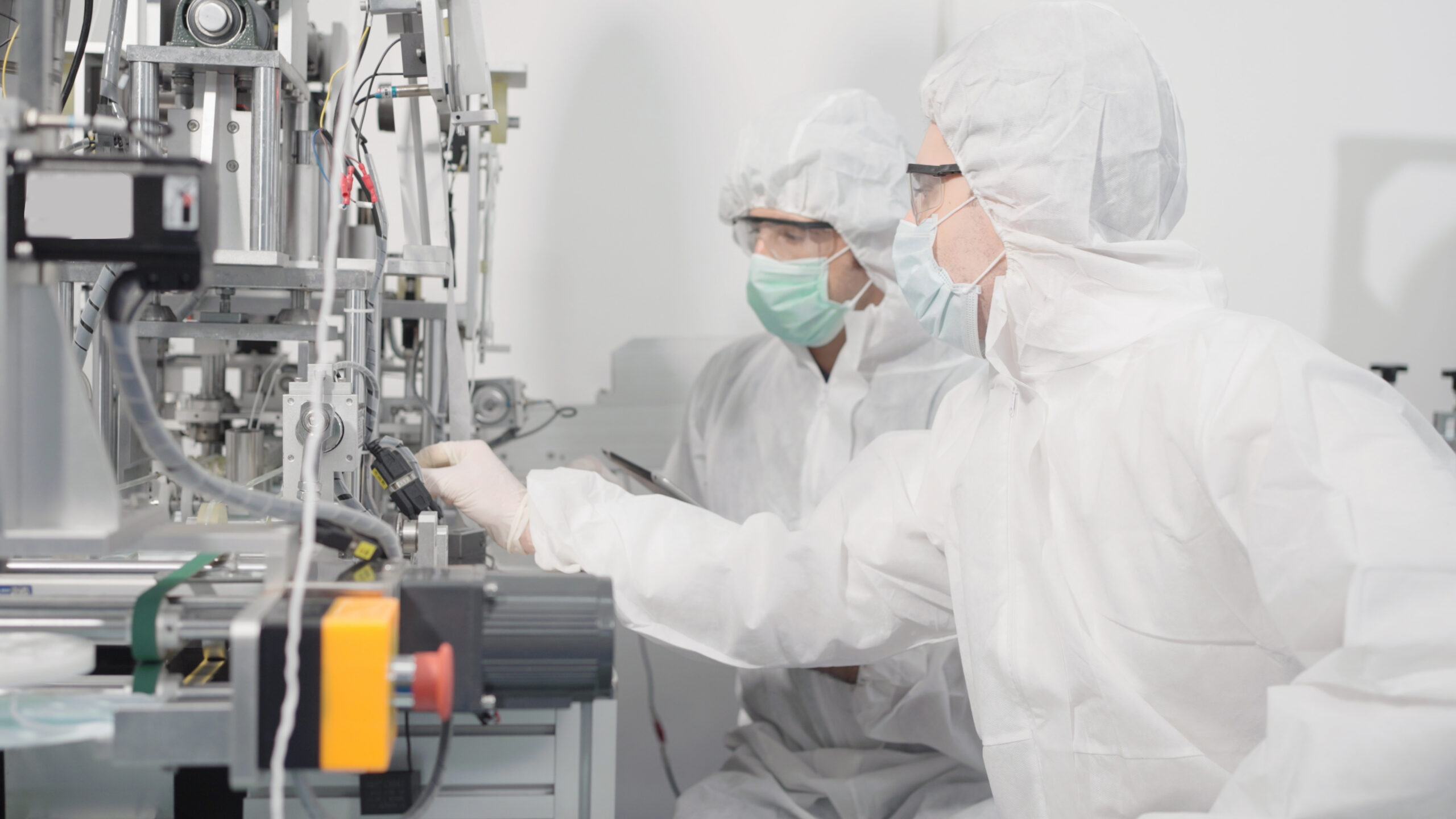
Our cleanroom medical injection molding runs in an ISO 7 (Class 10,000) cleanroom.
What Is the Difference Between an ISO 7 and ISO 8 Cleanroom for Medical Molding?
The core difference is particle concentration. Everything else, including airflow, gowning, and monitoring, follows from that limit.
How Many Particles Does Each Class Allow?
For particles 0.5 microns and larger, the limits are:
- ISO 7: up to 352,000 particles per cubic meter
- ISO 8: up to 3,520,000 particles per cubic meter
Limits also apply to other particle sizes. The pattern stays the same, with ISO 8 allowing ten times more.
How Does Airflow Differ?
Cleaner rooms need more filtered air. Common industry guidelines suggest roughly 60 air changes per hour for ISO 7 rooms. ISO 8 rooms often run near 20 air changes per hour.
These figures are design guidelines, not fixed requirements. Actual airflow depends on room size, people, and equipment heat load.
How Do Gowning Requirements Compare?
People shed most of the particles in a cleanroom. ISO 8 gowning often includes a frock, hair cover, shoe covers, and gloves. ISO 7 gowning usually adds more coverage, such as beard covers, face masks, and tighter garment controls.
Gowning training and qualification matter in both classes.
So, What Is the Difference Between an ISO 7 and ISO 8 Cleanroom for Medical Molding in Practice?
In practice, an ISO 7 room runs with more air, more discipline, and more records. An ISO 8 room costs less to operate but allows more particles. Many ISO 7 rooms use an ISO 8 anteroom for gowning and material transfer.
How Do ISO 7 and ISO 8 Compare Side by Side?
The table below summarizes the cleanroom classifications and application differences that matter most for molding.
| Factor |
ISO 7 (Class 10,000) |
ISO 8 (Class 100,000) |
| Max particles ≥0.5 µm per m³ |
352,000 |
3,520,000 |
| Typical air changes per hour (guideline) |
About 60 |
About 20 |
| Gowning level |
Frock or coverall, hair and beard covers, masks, gloves |
Frock, hair cover, shoe covers, gloves |
| Operating cost |
Higher |
Lower |
| Monitoring intensity |
Higher |
Moderate |
| Common medical uses |
Fluid-path, drug delivery, IV, catheter parts |
Packaging, housings, non-contact components |
Which Medical Parts Need ISO 7, and Which Can Use ISO 8?
The answer depends on risk. If your team is asking what is the difference between an ISO 7 and ISO 8 cleanroom for medical molding, start with the device risk assessment.
When Is ISO 7 Usually Specified?
ISO 7 is common for parts in the fluid path or with direct patient contact. Examples include IV connectors, syringe components, catheter parts, and drug delivery components. It also suits diagnostic cartridges where particles can block small channels.
When Is ISO 8 Usually Enough?
ISO 8 often works for packaging components, external housings, and parts without fluid or tissue contact. It can also work when parts are cleaned before final assembly.
Can a Program Use Both Classes?
Yes. Some programs mold critical parts in ISO 7 and less sensitive parts in ISO 8. This approach controls cost while protecting the components that carry the most risk.
How Does Cleanroom Class Affect Cost and Design?
A tighter class adds cost through air handling, gowning, monitoring, and training. Those costs appear in part pricing. They are justified when contamination risk is real.
Does Over-Specifying Cause Problems?
Yes. Specifying ISO 7 for parts that only need ISO 8 raises cost without adding value. Under-specifying creates risk during audits and validation. The requirement should come from the quality team, not habit.
Which Design Choices Help in Either Class?
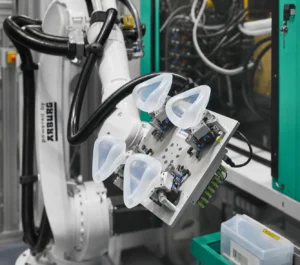
Designs that support robotic part removal reduce handling. DFM feedback should cover gating and degating methods that generate fewer particles. Material selection should also consider sterilization compatibility and particulate behavior during trimming.
Do Secondary Operations Need the Same Class?
Often, yes. Assembly, ultrasonic welding, and packaging may need to stay in the same controlled space. Keeping them together reduces handling and keeps records under one quality system.
Which Standards Govern Medical Cleanroom Molding?
Standards define both how rooms are classified and how medical quality systems operate.
Which Standard Defines ISO 7 and ISO 8?
ISO 14644-1 sets cleanroom classes by airborne particle concentration. Facilities use it to classify rooms and recertify them at defined intervals.
What Quality System Should the Molder Have?
Medical molders typically operate under ISO 13485. The FDA’s Quality Management System Regulation in 21 CFR Part 820 incorporates ISO 13485 by reference. These systems cover traceability, validation, and change control.
Does Either Class Make Parts Sterile?
No. Neither ISO 7 nor ISO 8 sterilizes parts. Parts that must be sterile still go through validated sterilization methods, such as ethylene oxide, gamma radiation, or steam.
What Questions Should You Ask a Cleanroom Molder?
These questions help customers evaluate a cleanroom molding partner:
- What class is the cleanroom, and when was it last certified?
- How are particle counts, pressure, and humidity monitored and recorded?
- Which steps run inside the cleanroom? Molding, assembly, and packaging may differ.
- What gowning and training procedures apply?
- How is tooling maintained without contaminating the room?
- Who owns the molds, and where are they stored?
Clear answers backed by real records show whether controls work day to day.
How We Run Cleanroom Molding at Hi-Rel Plastics
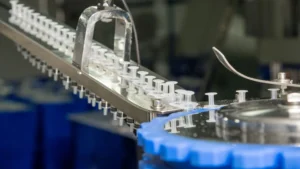
At Hi-Rel Plastics & Molding, we mold medical components in an ISO 7 (Class 10,000) cleanroom. We build tooling in-house, which keeps mold maintenance and changes under our direct control.
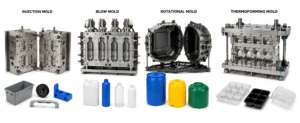
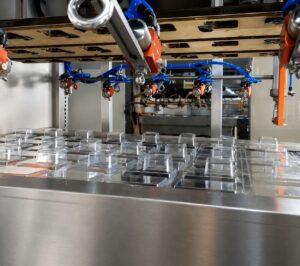
Our quality systems are certified to ISO 13485:2016, ISO 9001:2015, and AS9100 Rev D. We also support LSR, blow, thermoforming, and rotational molding, plus assembly, pad printing, and ultrasonic welding.
Frequently Asked Questions
What is the difference between an ISO 7 and ISO 8 cleanroom for medical molding, in simple terms?
ISO 7 allows up to 352,000 particles per cubic meter, while ISO 8 allows up to 3,520,000. ISO 7 needs more airflow, stricter gowning, and closer monitoring.
Which cleanroom class do fluid-path medical parts usually need?
Fluid-path parts often use ISO 7 because they contact fluids that reach patients. The final requirement depends on the device’s risk assessment and the customer’s quality specifications.
Does ISO 7 cleanroom molding cost more than ISO 8?
Yes, typically. ISO 7 rooms need more filtered air, stricter gowning, and more monitoring. These operating costs show up in part pricing, so matching class to risk matters.
Does cleanroom class affect tooling lead times?
The mold build usually takes about the same time. Cleanroom programs may add time for process validation, packaging qualification, and documentation before production release.
Can assembly and packaging happen in the same cleanroom as molding?
Yes, when the facility supports it. Keeping assembly, welding, and packaging in the same controlled space reduces handling and keeps documentation under one quality system.
Key Takeaways
What is the difference between an ISO 7 and ISO 8 cleanroom for medical molding? ISO 7 allows ten times fewer particles and requires tighter controls.
Keep these decision points in mind:
- Ask what your device risk assessment requires. Let patient contact and fluid paths guide the class.
- Ask which steps must stay in the cleanroom. Molding, assembly, and packaging all affect cleanliness.
- Ask for monitoring and certification records. Documentation proves the room performs as classified.
If you are deciding which cleanroom class fits your part, we are glad to review your requirements. You can reach our engineering team here, call 951-354-0258, or visit us at 7575 Jurupa Ave, Riverside, CA 92504.