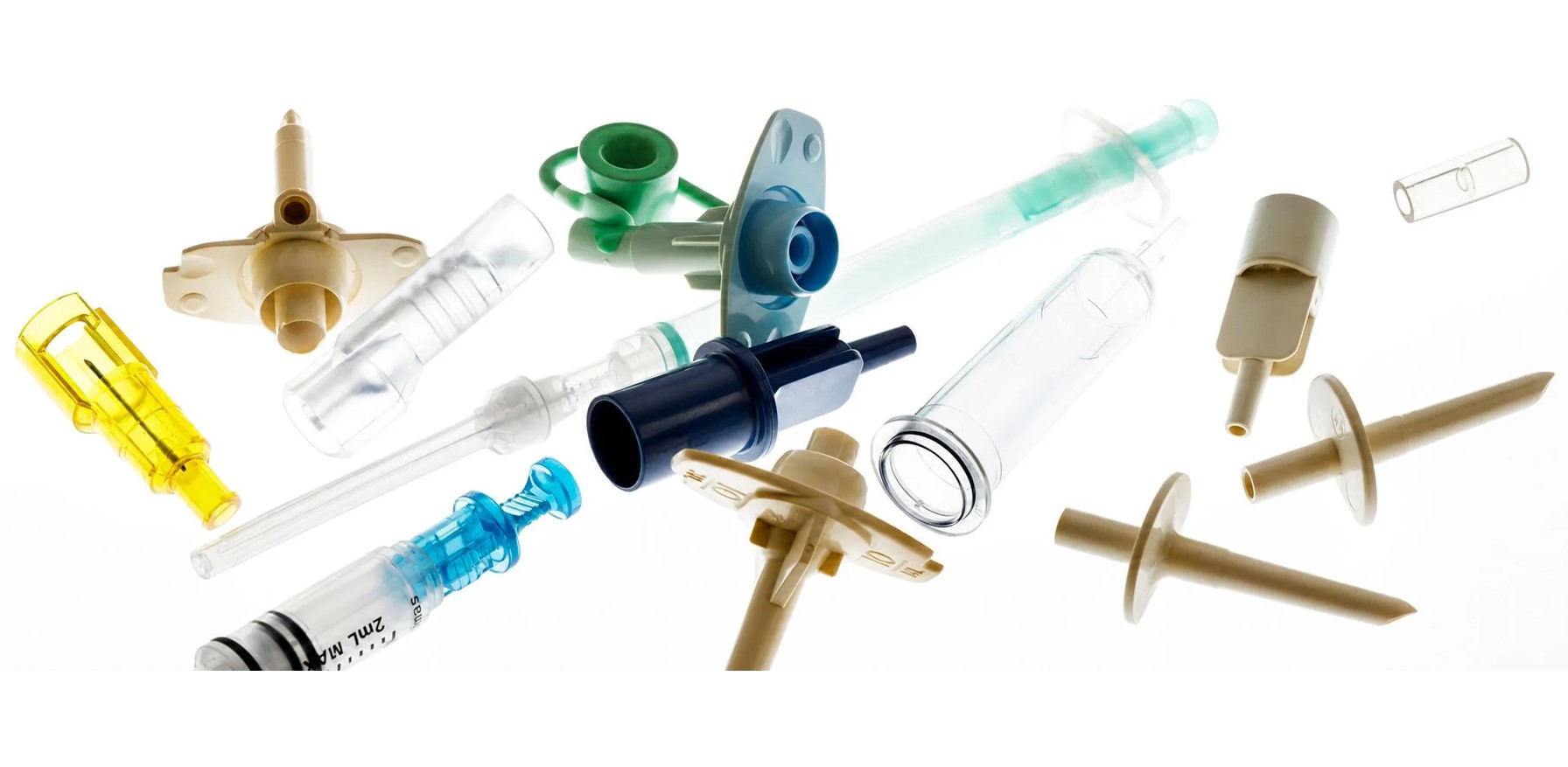
Buyers often associate cleanroom molding in Los Angeles with medical devices. Yet controlled-environment molding serves many other industries in the region. Aerospace programs, electronics makers, and pharmaceutical suppliers all use cleanroom production when particles, residues, or microbial contamination could damage a product. Knowing what a cleanroom actually controls helps buyers specify the right level and compare suppliers fairly.
This article explains cleanroom injection molding requirements from a buyer’s perspective. It covers classifications, contamination controls beyond air quality, personnel and material flow, and monitoring. It also looks at applications outside medical and ways to avoid paying for more cleanliness than a product needs.
Understanding Cleanroom Classes for Molding Programs
The ISO 14644 standard classifies cleanrooms by how many particles of a given size each volume of air may contain. Lower class numbers mean cleaner air. Many molding cleanrooms operate at ISO Class 7 or 8. These classes suit most molded components that need controlled production without extreme cleanliness.
Higher cleanliness levels cost more to build, operate, and monitor, so a documented requirement should set the class. Cleanroom injection molding requirements may come from a device risk assessment, a customer specification, or an industry standard. A clear statement of the required class avoids confusion during quoting. It also gives the supplier a target for its monitoring plan.
What Cleanroom Molding Controls Besides Air
Air filtration is only one part of contamination control. Particles also come from people, materials, equipment, and packaging. Cleanroom molders manage these sources with controlled gowning, restricted entry, cleaned equipment, and carefully chosen lubricants and cleaning agents.
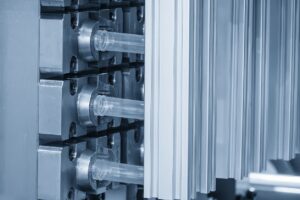
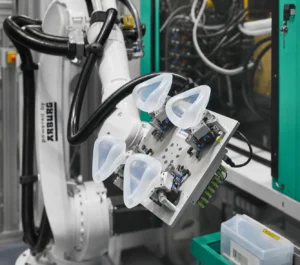
Surfaces matter as well. Floors, walls, and equipment in a cleanroom use materials that do not shed particles. Staff can clean them with approved agents. Molders often select or modify presses for cleanroom use. Common features include enclosed motors and electric drives that avoid hydraulic oil. Operators can also wipe down press surfaces between jobs.
Gowning, Personnel Flow, and Material Flow
People are the largest source of particles in most cleanrooms, so gowning procedures are strict. Operators wear coveralls, hoods, gloves, and shoe covers, and they enter through an airlock or gowning room. Training and periodic qualification confirm that staff follow the procedures correctly. Supervisors also observe gowning and behavior during routine audits of cleanroom operations.
Materials follow defined paths too. Staff clean or de-package resin containers before they enter, and finished parts leave in sealed packaging. Well-run facilities separate personnel and material flows where possible. This keeps cleaner areas away from dirtier ones.
Monitoring and Environmental Records
A cleanroom must prove that it stays clean. Particle counters measure airborne particles at defined locations. Pressure gauges confirm that air flows from clean areas toward less clean ones. Sensors also track temperature and humidity. Regulated products may also need microbial sampling of air and surfaces.
Records are as important as the measurements, because an auditor can only rely on documented results. Defined alert and action limits apply, and out-of-limit events trigger investigation and corrective action. Customers auditing a cleanroom supplier typically ask to see monitoring trends, cleaning logs, and instrument calibration records.
Cleanroom Molding Los Angeles for Aerospace and Electronics Applications
Aerospace and electronics programs use controlled environments for different reasons than medical devices. Optical components, sensor housings, and connectors can fail if dust or residues interfere with function. Cleanroom production protects optical clarity, electrical performance, and long-term reliability. It also reduces rework caused by contamination found late in assembly.
These customers often combine cleanliness with strict material and documentation requirements, such as controlled resins, traceability, and first article inspection. A supplier that meets both cleanliness and quality system expectations simplifies qualification. That matters for programs in the Los Angeles aerospace and electronics community.
Pharmaceutical and Drug Delivery Components
Components for drug delivery, such as inhaler parts, vial components, and dispensing mechanisms, often require low particulate and bioburden levels. Material selection and extractables are important, since the plastic may contact a drug formulation, and cleanliness controls support those requirements.
Dimensional consistency is equally critical. Small variations can affect dosing. Programs for these products therefore usually pair controlled environments with validated processes, multi-cavity tooling, and thorough documentation of each lot.
Regulatory Considerations for Cleanroom Molding Buyers
Medical and pharmaceutical customers expect suppliers to operate under a quality system such as ISO 13485. That system should include documented validation, change control, and traceability. Aerospace customers may require AS9100D and customer-specific approvals. Confirming that the supplier’s certificates cover the relevant processes saves time during qualification.
Material compliance can also vary by market. State labeling rules for certain chemicals may affect products sold in California. Buyers should review resin and additive declarations with their regulatory teams. A molder who keeps clear material documentation makes these reviews easier for any cleanroom program.
Cost and Right-Sizing the Classification
Cleanroom molding costs more than standard molding because of facility operation, gowning, monitoring, slower material handling, and added documentation. Higher classifications multiply these costs. Choosing the lowest class that meets the requirement is one of the most effective ways to control price.
Part design also affects cost. Simple geometry, fewer secondary operations, and efficient packaging reduce handling and cleaning effort. An early conversation about which cleanroom injection molding requirements are essential can reduce project cost without increasing risk.
Why Hi-Rel Plastics Is a Cleanroom Molding Los Angeles Partner
Hi-Rel Plastics & Molding provides cleanroom molding from its Southern California location, serving customers across the Los Angeles area. ISO 13485, ISO 9001, and AS9100D certification support this work. Its engineers work with customers on part design, material selection, and process development, building cleanliness in from the start.
Molding, secondary operations, assembly, and packaging are available under one quality system, which limits handling between steps. That integration helps medical, aerospace, and electronics customers maintain cleanliness and traceability from the press to the shipping box.
Ready to Discuss Cleanroom Injection Molding Requirements?
A useful first conversation covers the application, required cleanliness, material, volumes, and documentation needs. Sharing the source of your cleanroom injection molding requirements helps the supplier recommend an appropriate classification and avoid unnecessary cost.
Hi-Rel Plastics & Molding welcomes engineers, quality teams, and buyers evaluating options for cleanroom molding in Los Angeles for an upcoming program. Contact our team to share your part requirements and discuss how Hi-Rel’s capabilities can support your project.