How to choose a medical device contract manufacturer? Start by matching your device’s risk, materials, volumes, and regulatory needs to a supplier’s proven quality system and capabilities. Price matters, but it should not lead the decision. A poor fit can cost months in requalification and remediation.
We have molded plastic components in Riverside, California, since 1984. Over 40+ years, we have supported medical device teams from prototype through commercial supply. This guide answers the questions device teams ask most when selecting a manufacturing partner.
A medical device contract manufacturer produces components or finished devices for the company that owns the design. Services can include molding, tooling, assembly, packaging, and documentation support. The device company keeps regulatory responsibility for the finished product.
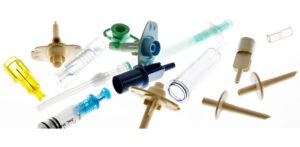
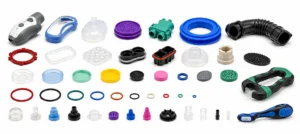
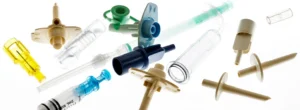
For plastic components, common services include injection molding, LSR molding, tooling, and cleanroom production. Many programs also need secondary operations. These include assembly, pad printing, and ultrasonic welding.
Fewer handoffs between suppliers usually mean fewer documentation gaps.
Changing suppliers after validation is costly. A move can trigger new process validation, new first articles, and regulatory review. Choosing well at the start protects both schedule and budget.
Start with your own requirements. A clear requirements list makes supplier comparisons fair and fast.
Define these points before contacting suppliers:
Missing details lead to assumptions. Assumptions turn into change orders later.
Most teams compare three to five qualified suppliers. More than that slows the process without adding much insight. Fewer than three limits comparison on price and capability.
Supplier qualifications, quality requirements, and technical capability form the core criteria. The weight of each one shifts as a program matures.
The table below shows which questions matter most at each stage.
| Program Stage | Key Questions to Ask |
| Concept and prototype | Do they offer DFM feedback and rapid prototyping? Can they mold in production-intent resin? |
| Design verification | Can they hold critical tolerances? Do they provide dimensional reports by cavity? |
| Tooling and validation | Do they build tooling in-house? Do they run IQ/OQ/PQ protocols? |
| Commercial launch | Do they have cleanroom and press capacity for growth? How do they manage change control? |
| Long-term supply | Who owns the tooling? Are maintenance and transfer records complete? |
A supplier’s DFM feedback shows how well they understand molding. Good feedback covers wall thickness, draft, gating, and tolerance feasibility. Generic or missing feedback is a warning sign.
DFM also affects total cost. Removing an undercut or uneven wall can shorten cycles and reduce scrap for the life of the product.
Quality systems are the foundation of medical manufacturing. Certificates matter, but how the system works day to day matters more.
For most medical programs, yes. ISO 13485 defines quality management requirements for medical devices. The FDA’s Quality Management System Regulation in 21 CFR Part 820 incorporates ISO 13485 by reference.
Ask to see the current certificate and its scope. Confirm the scope covers the processes your program needs.
Many devices require molding in a controlled environment to limit particulates and bioburden. Cleanroom classes follow ISO 14644-1. Over-specifying adds cost, while under-specifying adds risk.
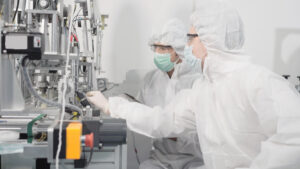
Ask how the supplier monitors the cleanroom. Gowning, environmental monitoring, and packaging procedures should all be documented. Our cleanroom medical injection molding runs in an ISO 7 (Class 10,000) cleanroom.
Medical molding usually follows installation, operational, and performance qualification. The FDA process validation guidance describes this lifecycle approach. A capable supplier writes, runs, and documents these protocols with your quality team.
Every lot should trace back to resin lots, process records, and inspection data. Change control should cover any change to the mold, material, or process. Even small changes can affect part performance.
Ask for a sample of a change notification and a lot traceability record. Real documents tell you more than a sales presentation.
Quality systems only work when the technical foundation is sound. These capabilities directly affect part quality and schedule.
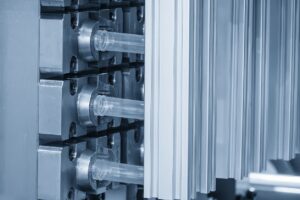
In-house tooling shortens feedback loops between toolmakers and molding engineers. Mold adjustments during sampling happen faster. It also simplifies tool maintenance once production begins.
Medical resins involve trade-offs between strength, chemical resistance, sterilization compatibility, and cost. Some resins degrade under gamma radiation. Others crack when exposed to hospital disinfectants.
A capable supplier helps compare options and sources medical-grade resins with full lot traceability.
Medical assemblies often combine several molded parts. Small variations can add up across a stack. Ask how the supplier measures critical dimensions and reports variation by cavity.
Assembly, pad printing, and ultrasonic welding add cost and handling. When these happen under the same quality system, documentation stays consistent. Fewer shipments between vendors also reduce contamination risk.
Technical fit comes first. Commercial terms still shape the relationship for years.
The customer usually owns tooling they paid for. Confirm ownership in writing. The agreement should cover storage, maintenance, insurance, and transfer conditions.
Ask about press availability, cleanroom space, and inspection resources. A supplier running near full capacity may struggle during launch. Volume flexibility matters most when demand is uncertain.
Proximity helps with tooling trials, audits, and problem-solving. Many device teams value a supplier they can visit within a short trip. California-based suppliers can also support customers nationwide through clear communication and documented processes.
These signs suggest a supplier may not be the right fit:
At Hi-Rel Plastics & Molding, we build tooling in-house. Our toolmakers and molding engineers work in the same facility. That keeps DFM feedback and sampling adjustments direct.
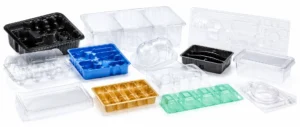
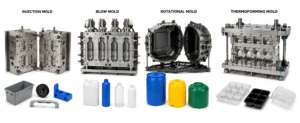
Our quality systems are certified to ISO 13485:2016, ISO 9001:2015, and AS9100 Rev D. We mold in an ISO 7 (Class 10,000) cleanroom. We support injection, LSR, blow, thermoforming, and rotational molding, plus assembly, pad printing, and ultrasonic welding.
How to choose a medical device contract manufacturer when volumes are still uncertain?
Look for a supplier that supports prototype, bridge, and production tooling. Ask about press and cleanroom capacity. Confirm they can scale without requalifying your parts at a new facility.
Which certifications should a medical plastics supplier hold?
ISO 13485 is the core certification for medical device quality systems. ISO 9001 covers general quality management. Always review the certificate’s scope to confirm it covers your required processes.
Does every medical part need cleanroom molding?
No. The requirement depends on the device’s risk, patient contact, and particulate limits. Your quality team should define the cleanroom class based on the device’s risk assessment.
Who owns the molds in a contract manufacturing agreement?
The customer usually owns molds they paid for. The agreement should confirm ownership in writing and cover storage, maintenance, insurance, and conditions for transferring the tooling.
How do secondary operations affect total program cost?
Assembly, printing, and welding add labor and handling. Performing them under the same quality system reduces shipments, documentation gaps, and inspection steps, which can lower total cost.
How to choose a medical device contract manufacturer comes down to fit across quality, capability, and capacity, not price alone.
Keep these decision points in mind:
If you are evaluating partners for an upcoming device program, we are glad to discuss your requirements. You can reach our engineering team here, call 951-354-0258, or visit us at 7575 Jurupa Ave, Riverside, CA 92504.