A bottle manufacturer turns resin into containers that must hold a product safely and work with a closure. They must also survive shipping and use. The choice of supplier affects cost, appearance, leak performance, and compliance. It deserves the same scrutiny as any critical component. Buyers who understand the molding process can ask better questions and compare suppliers on substance.
This article explains how to choose a plastic bottle manufacturer. It covers molding processes, resins, neck finishes, custom shapes, tooling, quality testing, and regulatory needs. We wrote it for engineers and procurement professionals sourcing bottles for pharmaceutical, medical, personal care, or industrial products.
What a Bottle Manufacturer Does
A typical supplier designs tooling, selects and processes resin, molds the containers, trims and inspects them, and packages them for shipment. Some suppliers sell stock bottles from a catalog. Others build custom bottles around a customer’s product, brand, and filling line. Many offer both, along with decoration, labeling, and assembly services that save the buyer from coordinating several vendors.
The right fit depends on the program. Stock bottles suit fast launches and small volumes. Custom designs make sense when no catalog item can meet the shape, capacity, or performance requirements. A good supplier will explain the tradeoffs and recommend the approach that fits the budget and timeline.
Blow Molding Processes for Plastic Bottles
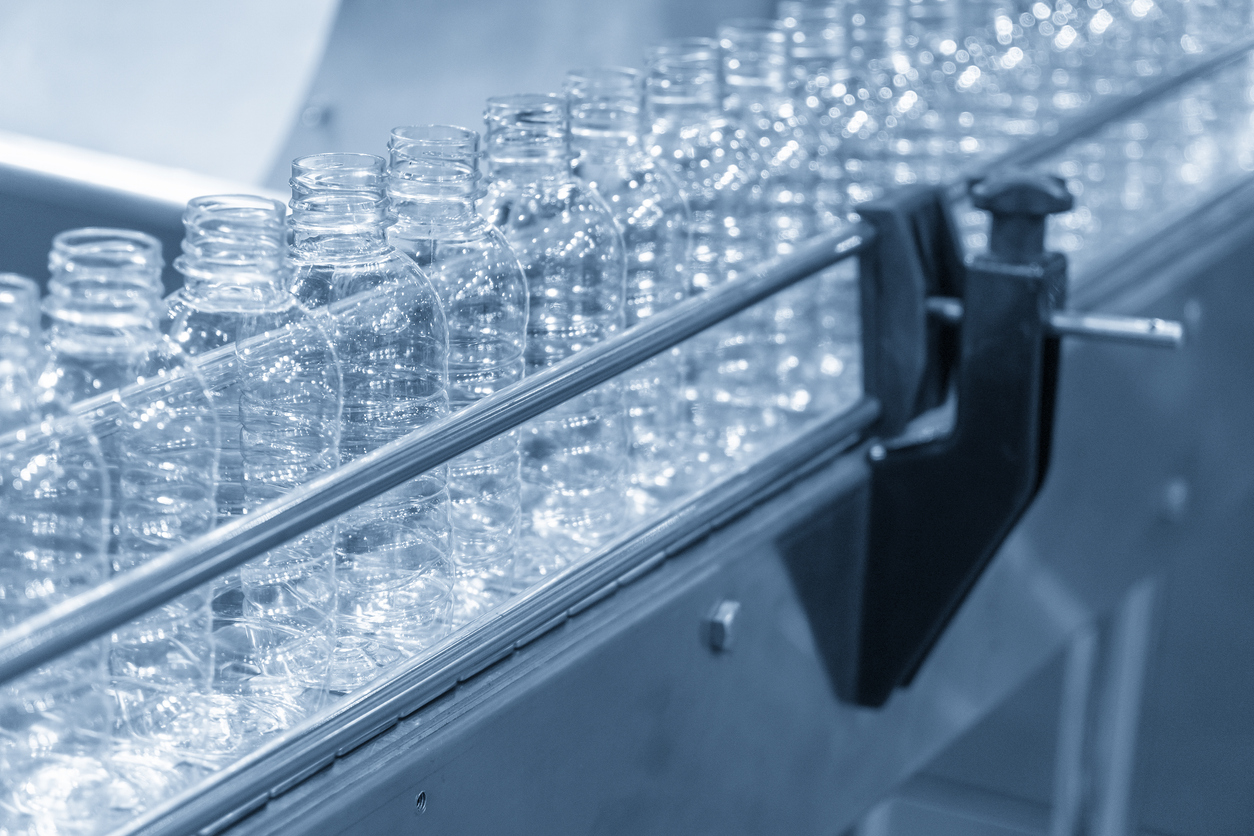
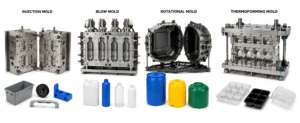
Blow molding produces most plastic bottles. Extrusion blow molding inflates a molten tube inside a mold, which suits larger containers and bottles with handles. Injection blow molding first molds a preform and then inflates it. This gives precise necks and consistent walls for smaller bottles.
Each process has strengths and limits. Extrusion leaves a pinch-off seam and trimmed flash. Injection blow molding costs more in tooling and works best for small to moderate sizes. When choosing a plastic bottle manufacturer, favor one that runs both processes. That supplier can match the process to the design instead of forcing one method on every project.
Resin Choices and Compatibility with Contents
Common bottle resins include high-density polyethylene, polypropylene, PETG, and PET. HDPE offers toughness and chemical resistance, polypropylene adds stiffness and heat tolerance, and PET and PETG provide clarity. The choice depends on the product, shelf life, temperature exposure, and regulations.
Compatibility with the contents is critical. Some chemicals, oils, and essential oils can cause stress cracking, swelling, or permeation. Testing the actual product in the actual bottle is the safest approach. An experienced supplier can help set up compatibility and stability studies before the design is final.
Neck Finishes, Closures, and Fit
The neck finish is the threaded or snap area that receives the closure. It determines whether the bottle seals reliably. Industry standards define common thread styles and dimensions. Most programs therefore use a standard finish matched to the cap or pump supplier. Confirming this early with the bottle manufacturer prevents leaks and rework.
Dimensional control at the neck matters more than almost anywhere else on the bottle. Tight tolerances on thread diameter, sealing surface, and height protect closure performance. Buyers often choose injection blow molding when neck precision is a priority. Specifying critical neck dimensions on the drawing keeps the bottle supplier, the closure supplier, and the filling line aligned.
Custom Shapes versus Stock Bottles
Custom shapes differentiate a product, but they add cost and lead time. A new mold needs building, testing, and approval. The design must also respect limits on wall thickness, parting lines, and depth of features. A capable supplier can review a concept for moldability before anyone cuts a mold.
Stock bottles avoid tooling cost and can be available quickly. Buyers can still customize them with labels, printing, or colors. Some programs start with stock bottles for launch and move to custom tooling when volume justifies it. Early sales data then guides the investment.
Tooling and Minimum Order Quantities
Toolmakers build blow molds from aluminum or steel. Aluminum suits prototypes and moderate volumes, while steel suits long runs. Tooling cost depends on size, cavity count, and complexity, and buyers usually pay it up front. The contract should state tool ownership in writing, along with storage and maintenance terms.
Minimum order quantities vary widely. Large runs lower the unit price, but small programs need flexibility. Some suppliers support low volume production or sample runs. Anyone learning how to choose a plastic bottle manufacturer should ask about sampling, lead time, and reorder terms. These questions put quotes on the same basis and avoid surprises after the first order.
Quality Testing for Bottles
Typical bottle quality checks include weight, wall thickness, dimensions, neck finish gauging, top-load strength, drop testing, and leak testing. Inspectors also check appearance for defects such as black specks, streaks, and parting line flash. Sampling plans define how many bottles inspectors check and how often during a production run. Both parties should agree on the plan before the first order.
A qualified supplier should be able to show inspection records, gauge calibration, and a process for handling nonconforming product. For regulated products, lot traceability connects each shipment to the resin lot and production conditions. That link allows a fast response if a customer reports a problem.
Regulatory and Cleanliness Requirements
Bottles for food, pharmaceutical, or medical products must use resins that meet the relevant regulations. For food packaging, these include FDA requirements for food contact substances. The supplier should be able to provide certificates and documentation. Colorants and additives also need review, since they can affect compliance and extractables.
Cleanliness is another consideration. Some products need bottles produced and packaged in controlled conditions to limit particles and bioburden. A supplier with cleanroom capability can support these needs. The required classification should match the product’s risk rather than exceed it.
Why Hi-Rel Plastics Is a Custom Bottle Manufacturer
Hi-Rel Plastics & Molding provides custom blow molded bottles and containers using extrusion blow and injection blow processes. The company also offers injection, rotational, and thermoforming capabilities. Its engineers review designs with customers and recommend the process, resin, and tooling that fit the application.
Hi-Rel holds ISO 13485, ISO 9001, and AS9100D certification and offers cleanroom manufacturing capability. These credentials support bottle programs for medical, pharmaceutical, and industrial customers. Secondary operations and assembly are available under the same quality system.
Ready to Choose a Plastic Bottle Manufacturer?
A useful first conversation covers the product, capacity, resin preferences, closure type, volumes, and any regulatory requirements. Sharing a sketch, sample, or drawing early lets the supplier identify risks and propose options while changes are still inexpensive.
Hi-Rel Plastics & Molding welcomes engineers and buyers deciding how to choose a plastic bottle manufacturer for an upcoming program. Contact our team to share your container requirements and discuss how Hi-Rel’s capabilities can support your project.