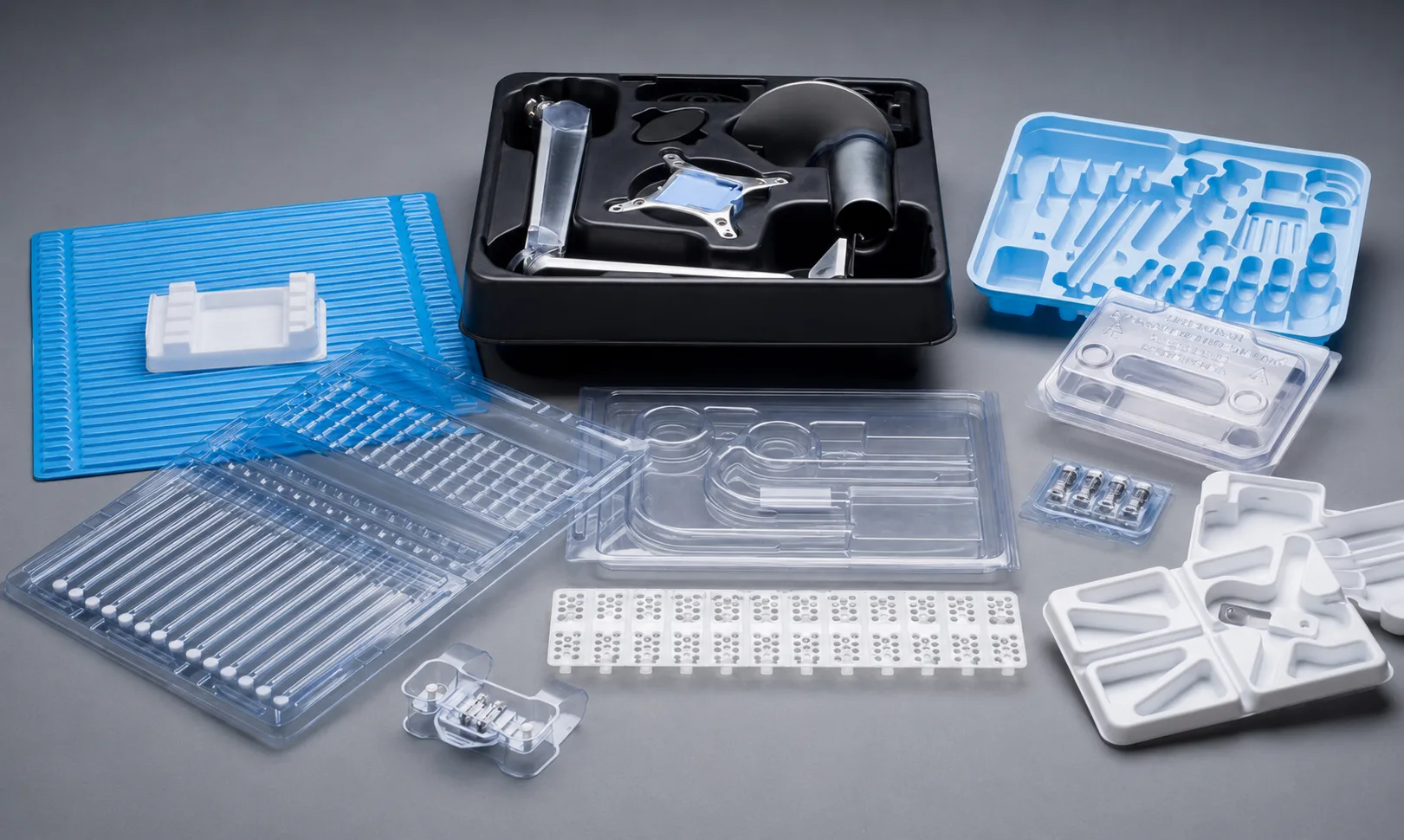
Good part design can improve material distribution, reduce tooling costs, improve part quality, and help ensure consistent production. Below are some of the most important design considerations when developing parts for thermoforming.
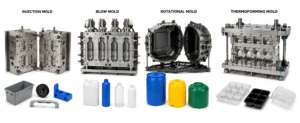
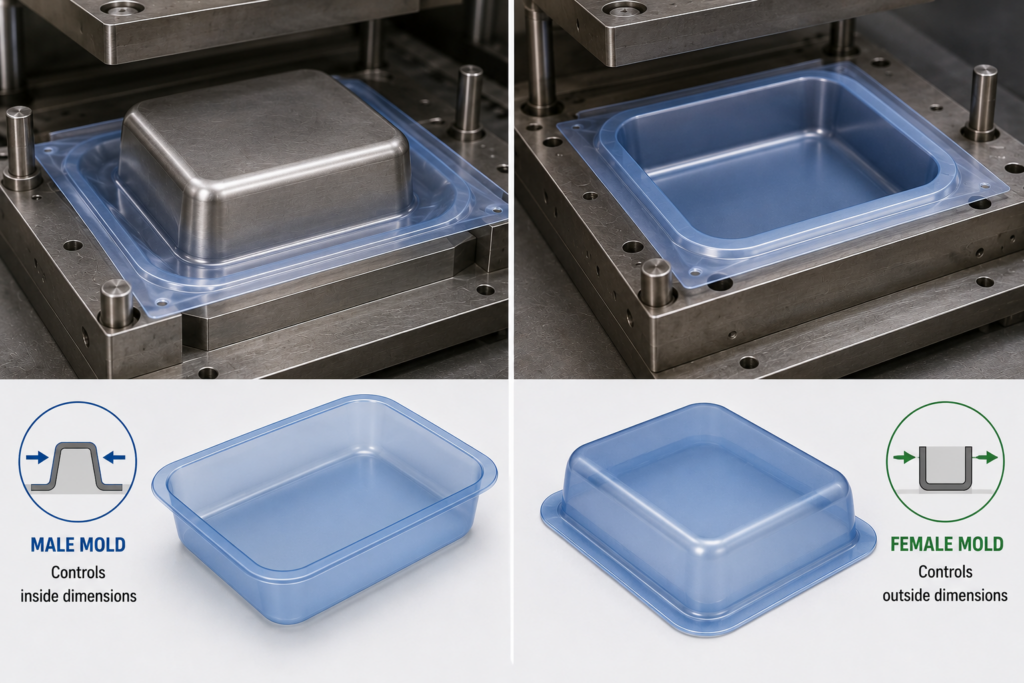
One of the first decisions in thermoforming is selecting whether a male or female mold best fits the application’s dimensional and cosmetic requirements. Mold selection can influence wall thickness distribution, surface finish, and critical dimensions.
Recommended:
Benefits:
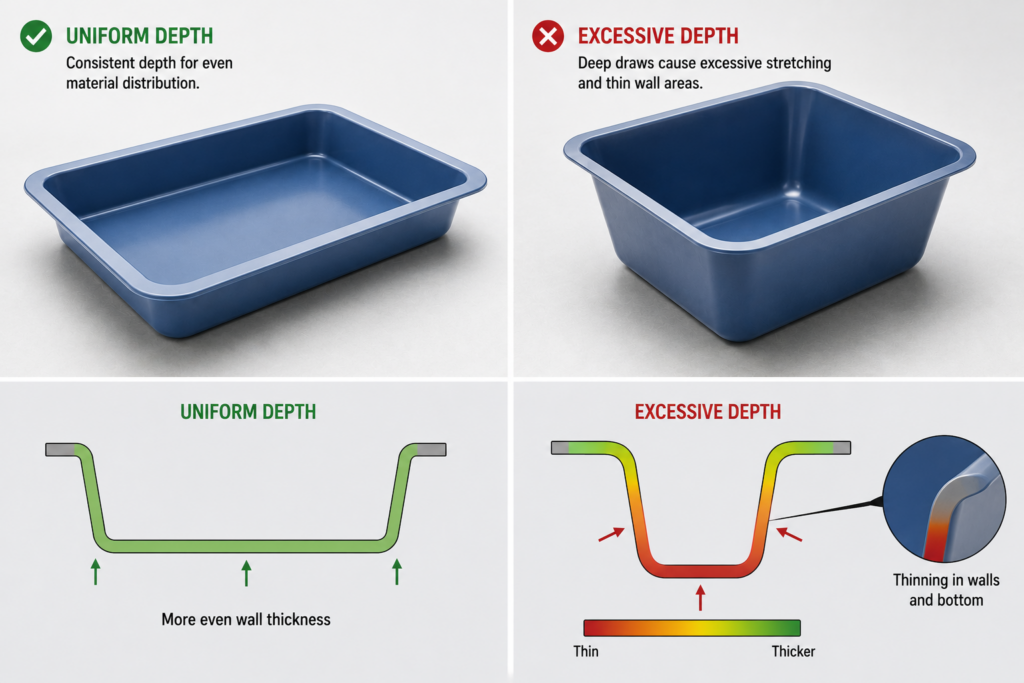
As thermoformed parts become deeper, the plastic sheet stretches further and may create areas with reduced wall thickness. Maintaining consistent depths helps improve material distribution and overall part consistency.
Recommended:
Benefits:
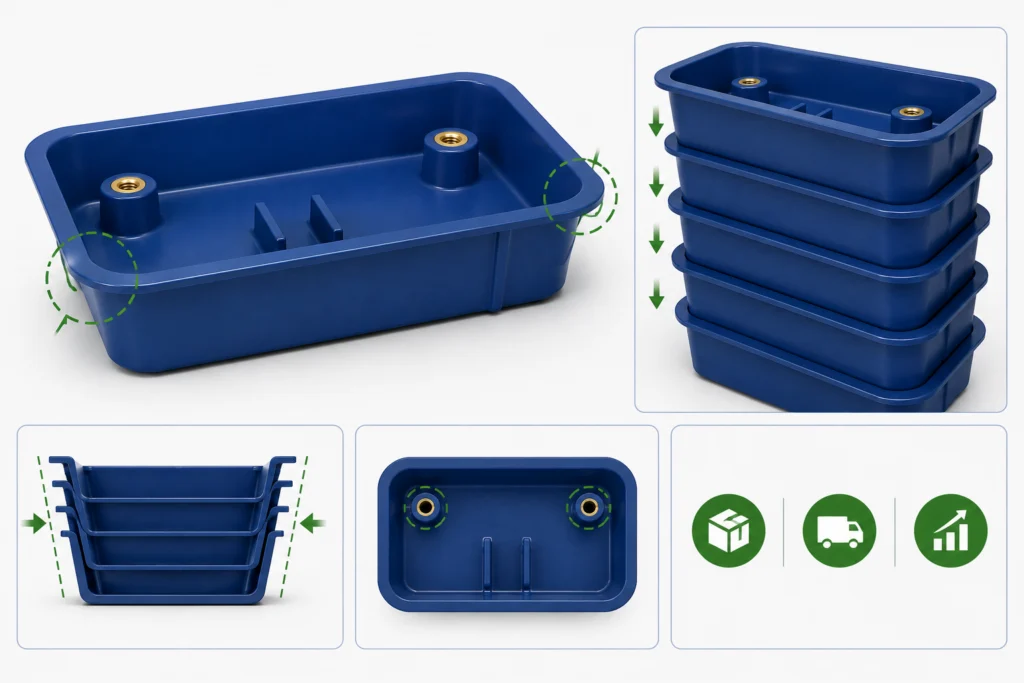
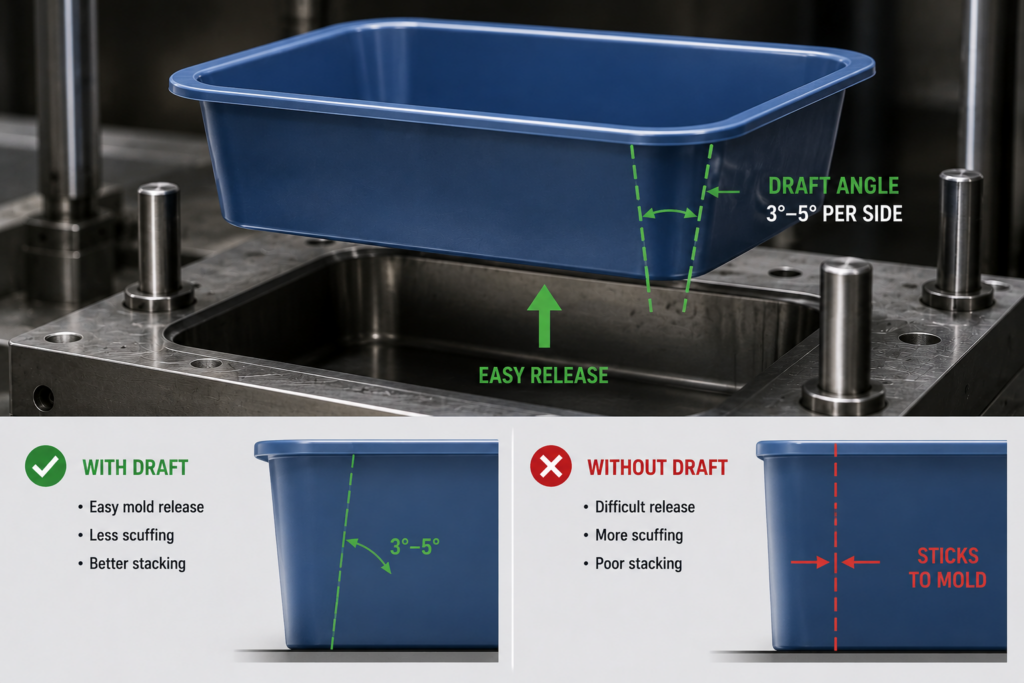
Draft angles help formed parts release from the mold and improve stacking and handling after production. Proper draft can also reduce part distortion and improve manufacturing efficiency.
Recommended:
Benefits:
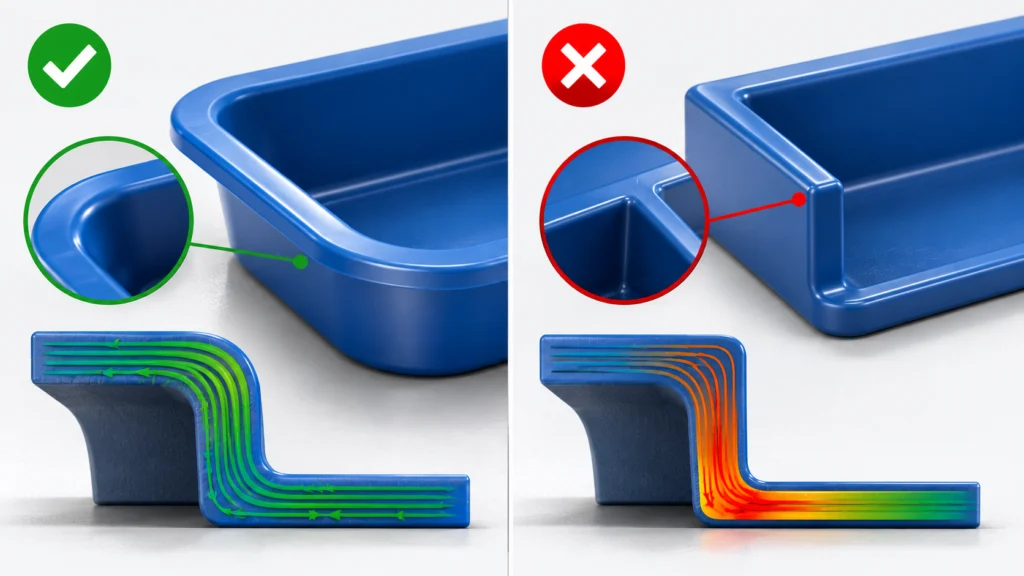
Sharp corners can cause excessive stretching and uneven material distribution during forming. Generous radii help material flow more evenly throughout the part.
Recommended:
Benefits:
Plastic sheet material naturally stretches as it conforms to the mold surface, resulting in varying wall thicknesses. Designing with material distribution in mind can help maintain strength in critical areas.
Recommended:
Benefits:

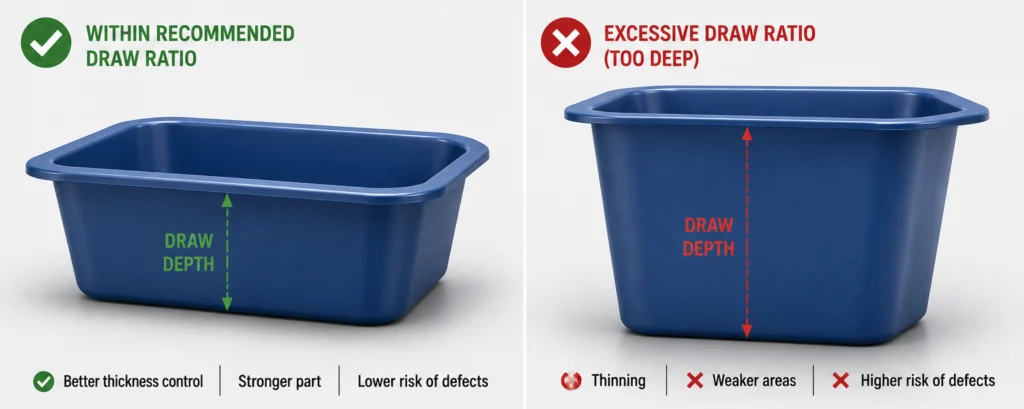
Deep parts require greater material stretching, which can make wall thickness more difficult to control. Keeping draw ratios within practical limits helps improve part quality and consistency.
Recommended:
Benefits:
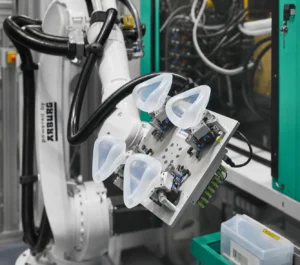
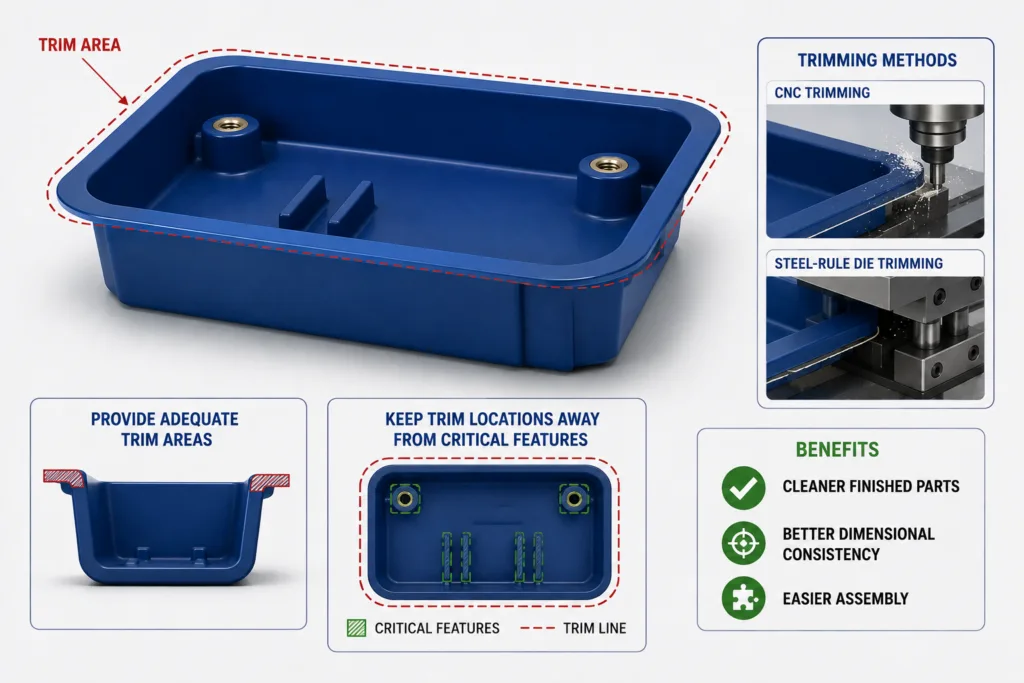
Most thermoformed parts require trimming to achieve their final shape and dimensions. Designing for trimming early can improve part quality and simplify production.
Recommended:
Benefits:
Many thermoformed trays, containers, and packaging products must stack or nest efficiently for storage and transportation. Proper design can reduce shipping costs and improve handling.
Recommended:
Benefits: